Select Location




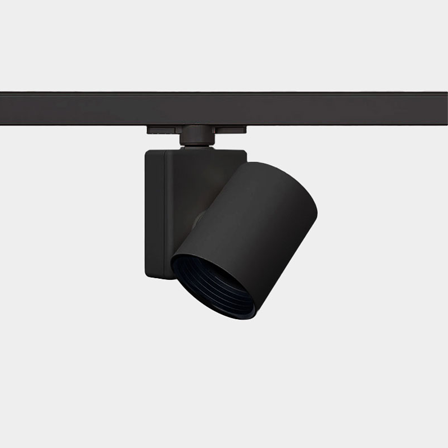
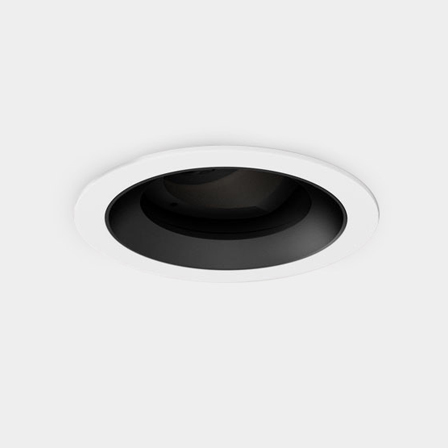
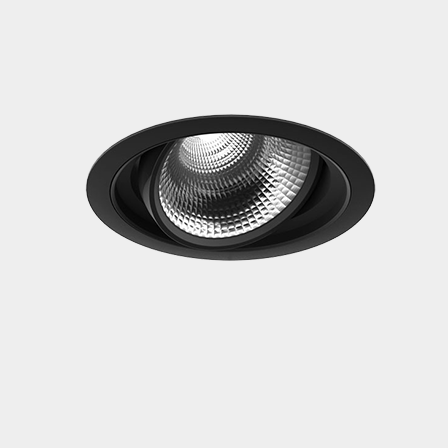
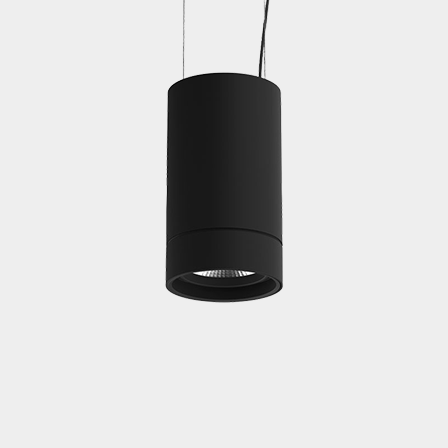
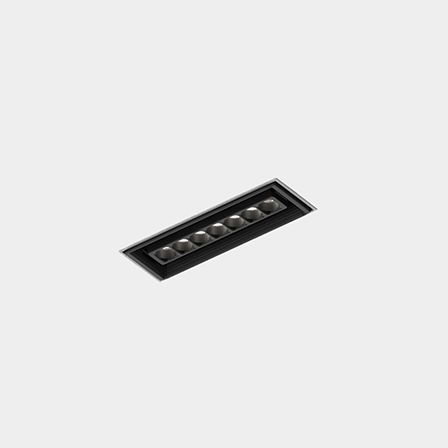
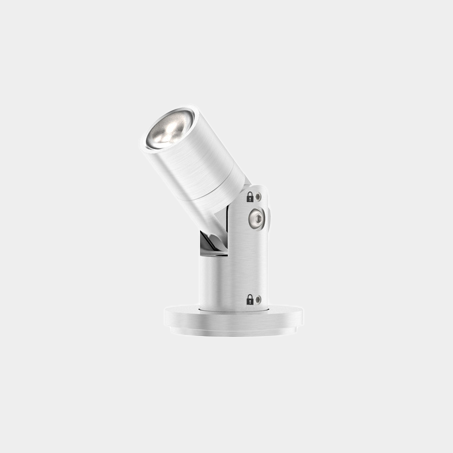

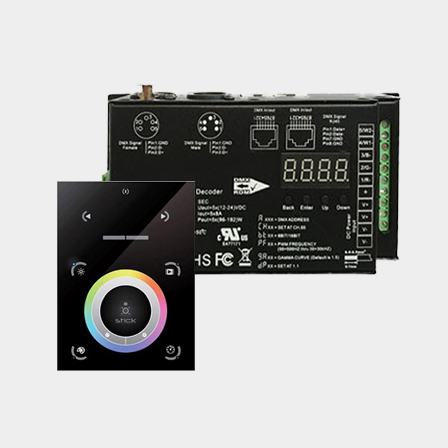
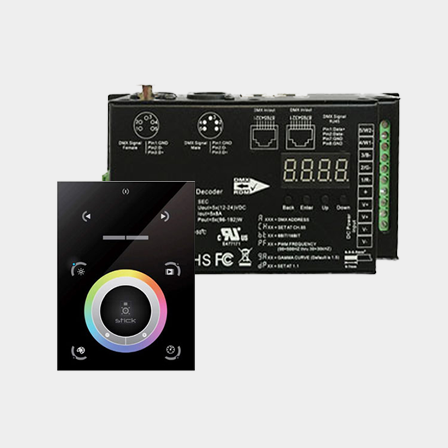






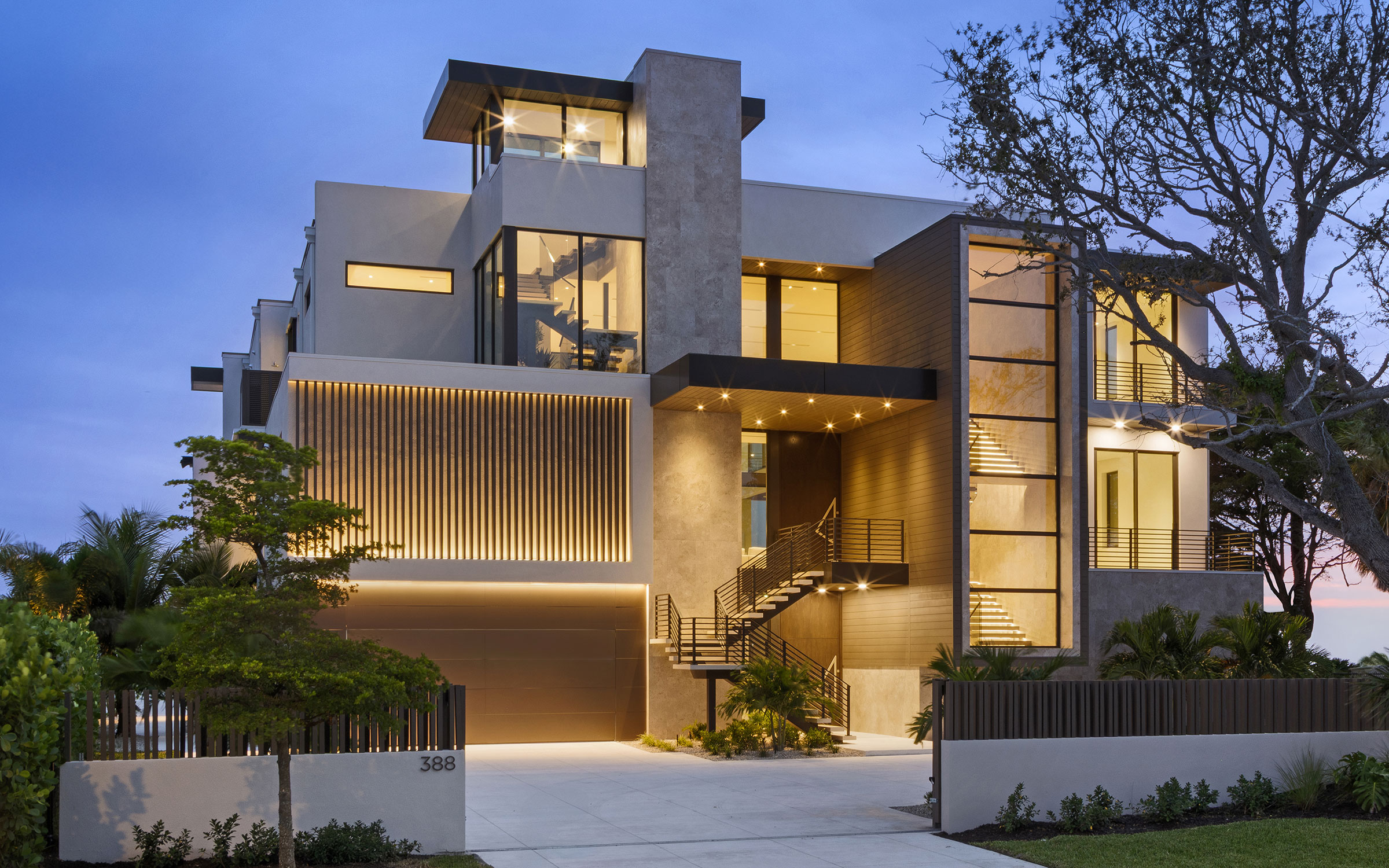
Few projects demonstrate the power of architectural lighting quite like the Sarasota Residence. Designed by DSDG Architecture and illuminated by JKM Lighting Design, the home blends bold geometric forms with a warm, highly integrated lighting approach that enhances both architecture and everyday living.
I sat down with Justin Keenan Miller, Founder and Principal of JKM Lighting Design, to discuss the inspiration behind the project, the role lighting played in shaping the homeowner experience, and how Luminii products helped bring the vision to life.

My background in lighting really began in childhood, designing for community theatre productions. That early experience shaped the way I think about light, not just as something functional, but as something that can tell a story, guide focus, and shape how people feel within a space.
I went on to study Theatre and Performance Studies at Georgetown University, with an emphasis in lighting design, before earning my Master of Fine Arts in Lighting Design from Carnegie Mellon University. After that, I transitioned into architectural lighting design, working for one of the largest lighting design firms in New York City on projects across the U.S. and internationally. A little over three years ago, I founded JKM Lighting Design, where we continue to work on residential, hospitality, and commercial projects.
The philosophy that guides my work still has strong roots in theatre. I am always thinking about how light can create atmosphere, reveal architecture, direct attention, and influence the emotional experience of a space. In residential work, that means designing around the lifestyle, routines, and personality of the people who live there. In hospitality and commercial spaces, it means helping tell the story of the brand and shaping how guests move through and engage with the environment.
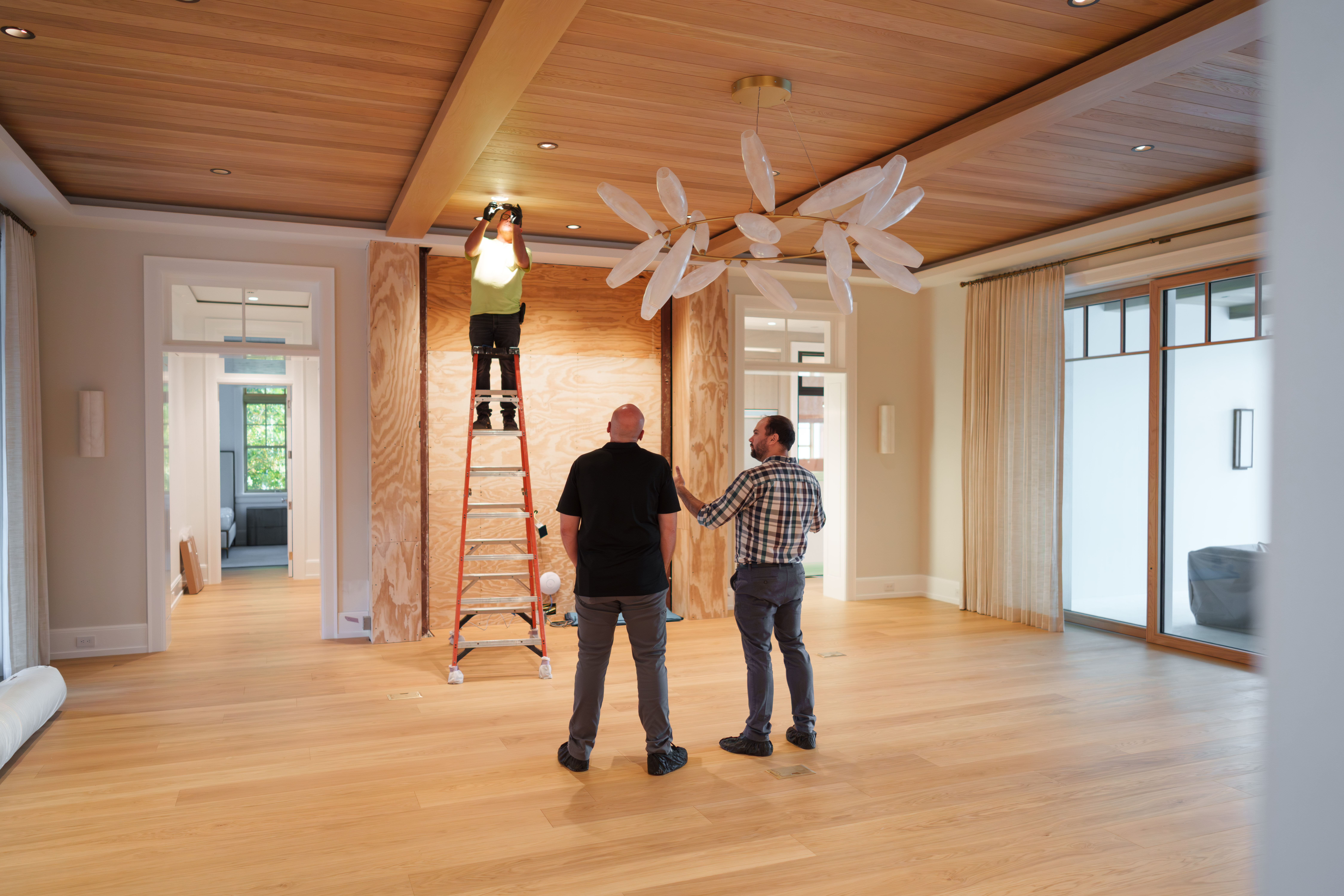
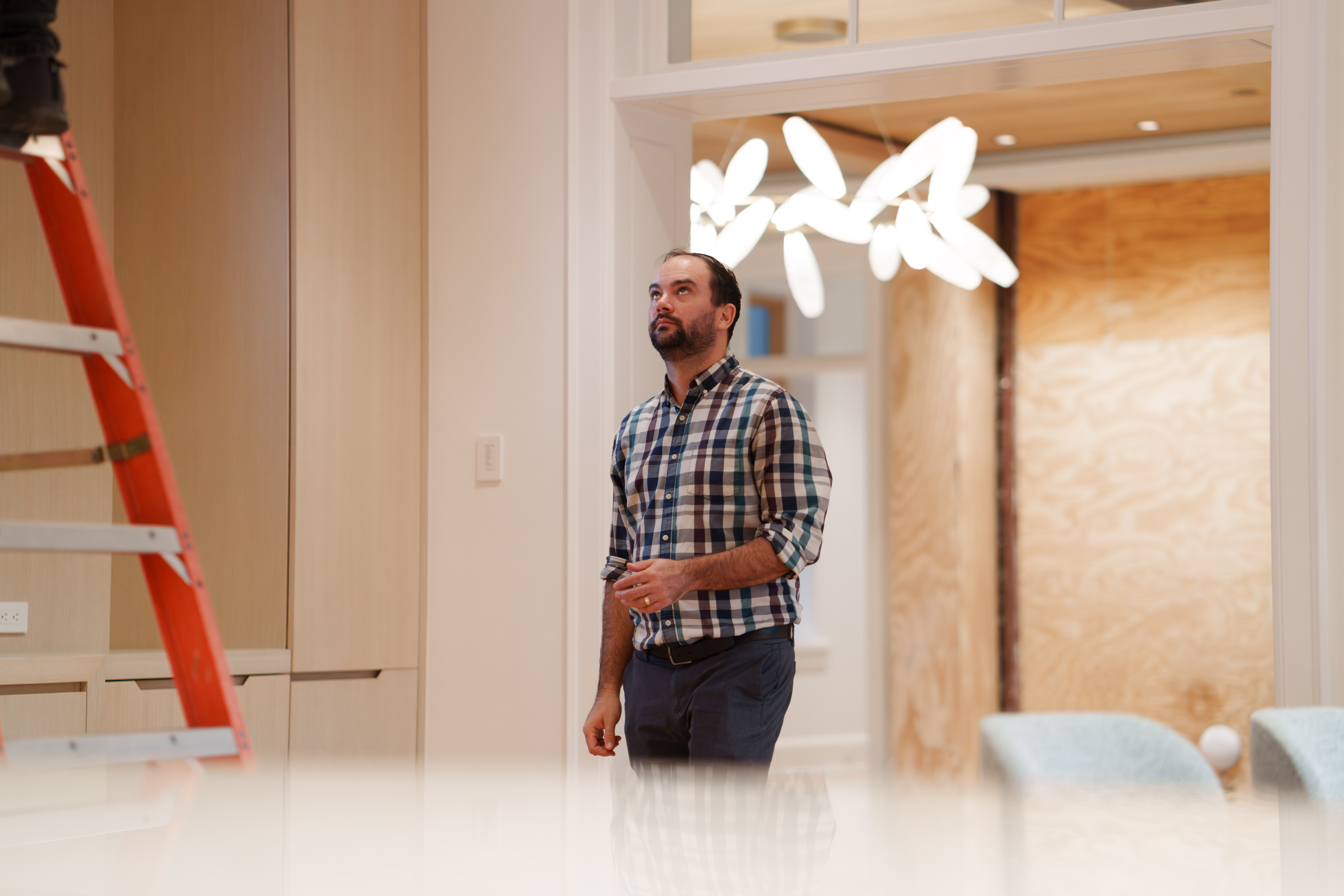
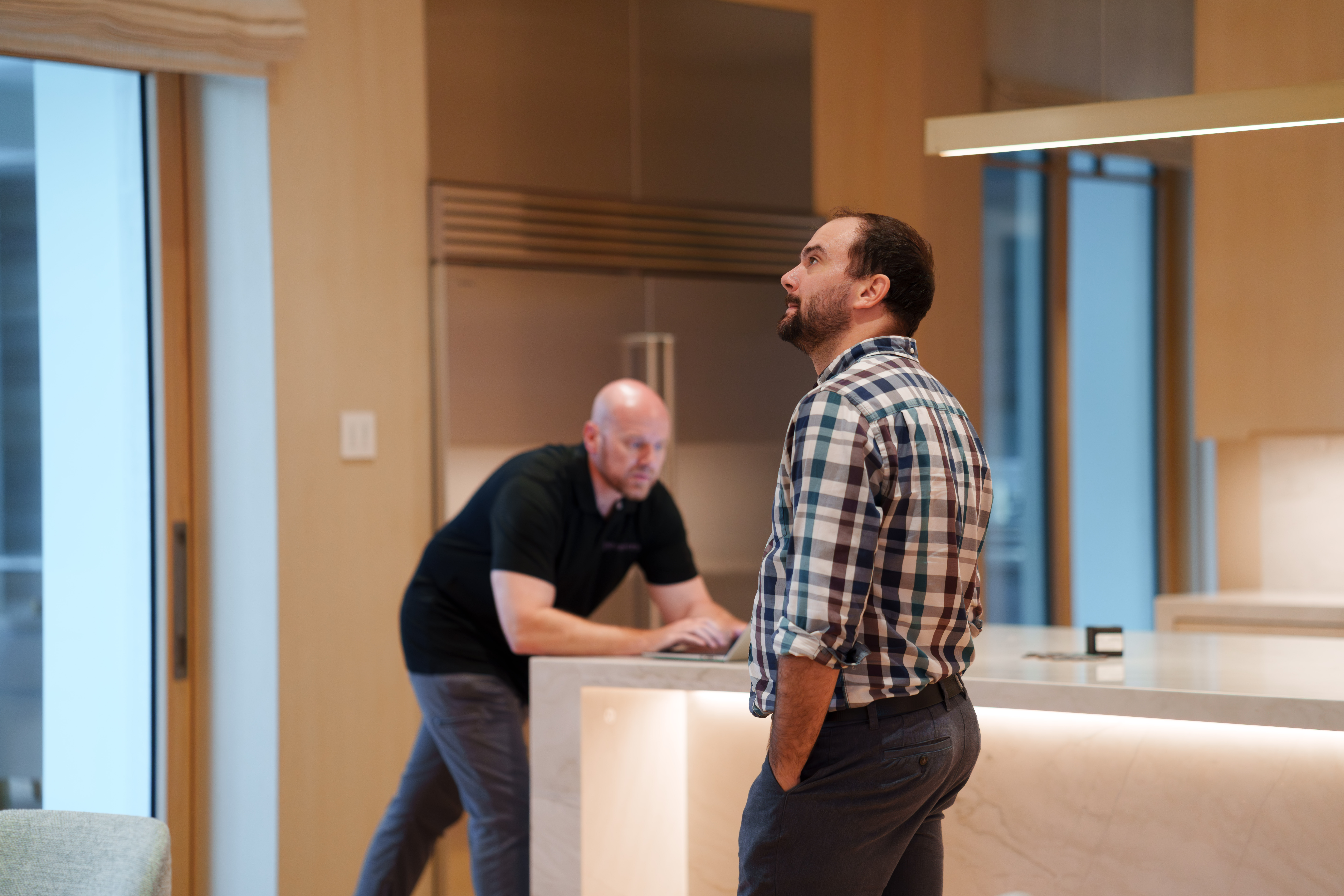
What initially drew us to this project was the combination of exceptional architecture and an ambitious client vision. Architecturally, the home offered so many opportunities to use light in a way that would enhance the form, create depth, and bring out striking moments both inside the residence and across the exterior.
The client also had a very clear desire to create a home that felt distinctive, memorable, and truly special within the area. That kind of vision gives us, as lighting designers, the creative space to explore ideas that go beyond what might traditionally be expected in a residential project.
Compared to many residential homes, this project allowed us to approach the lighting with a greater sense of drama, layering, and architectural integration. It was not just about illuminating rooms, but about creating moments, highlighting materials, reinforcing the architecture, and helping the home feel as impactful at night as it does during the day.
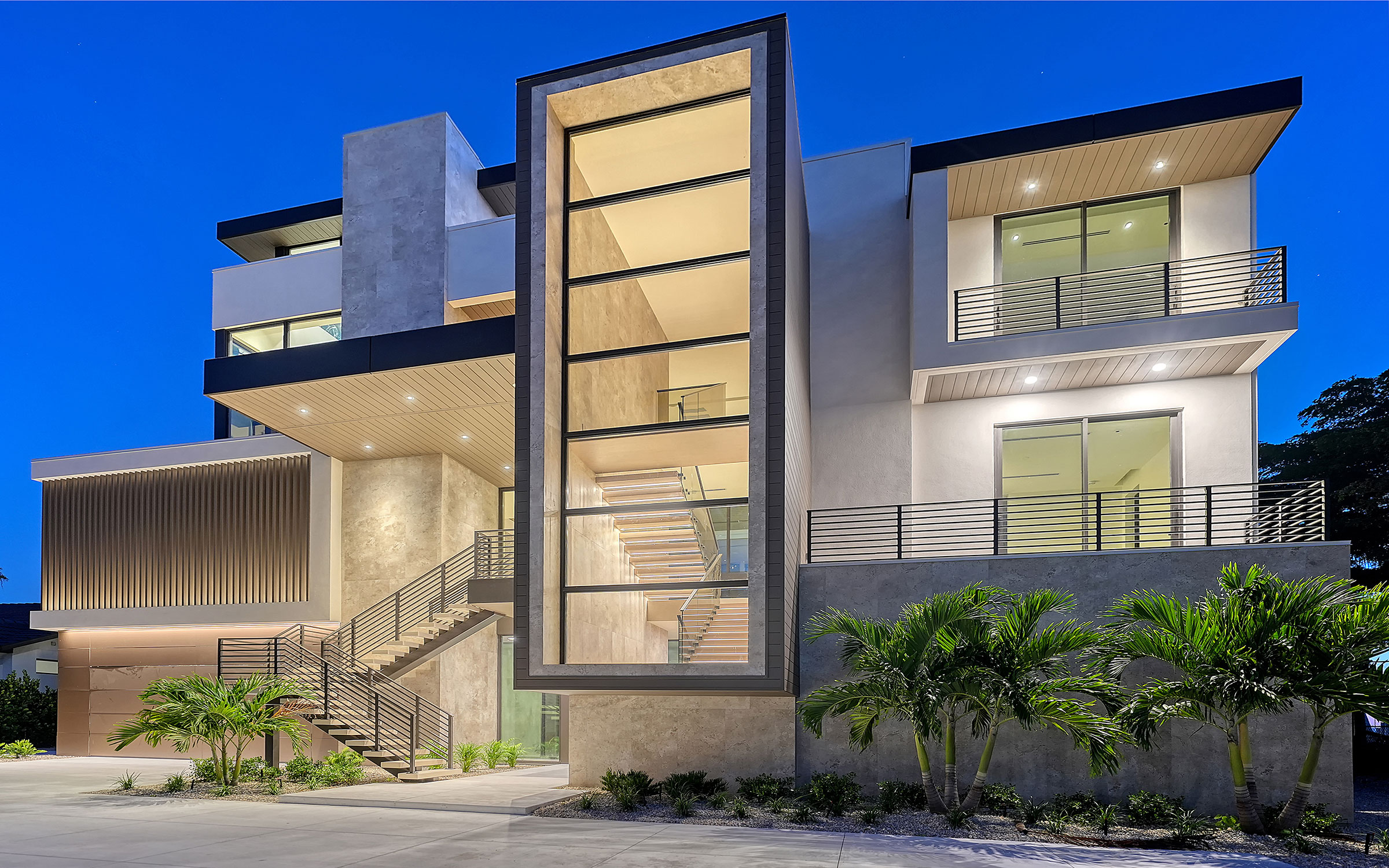
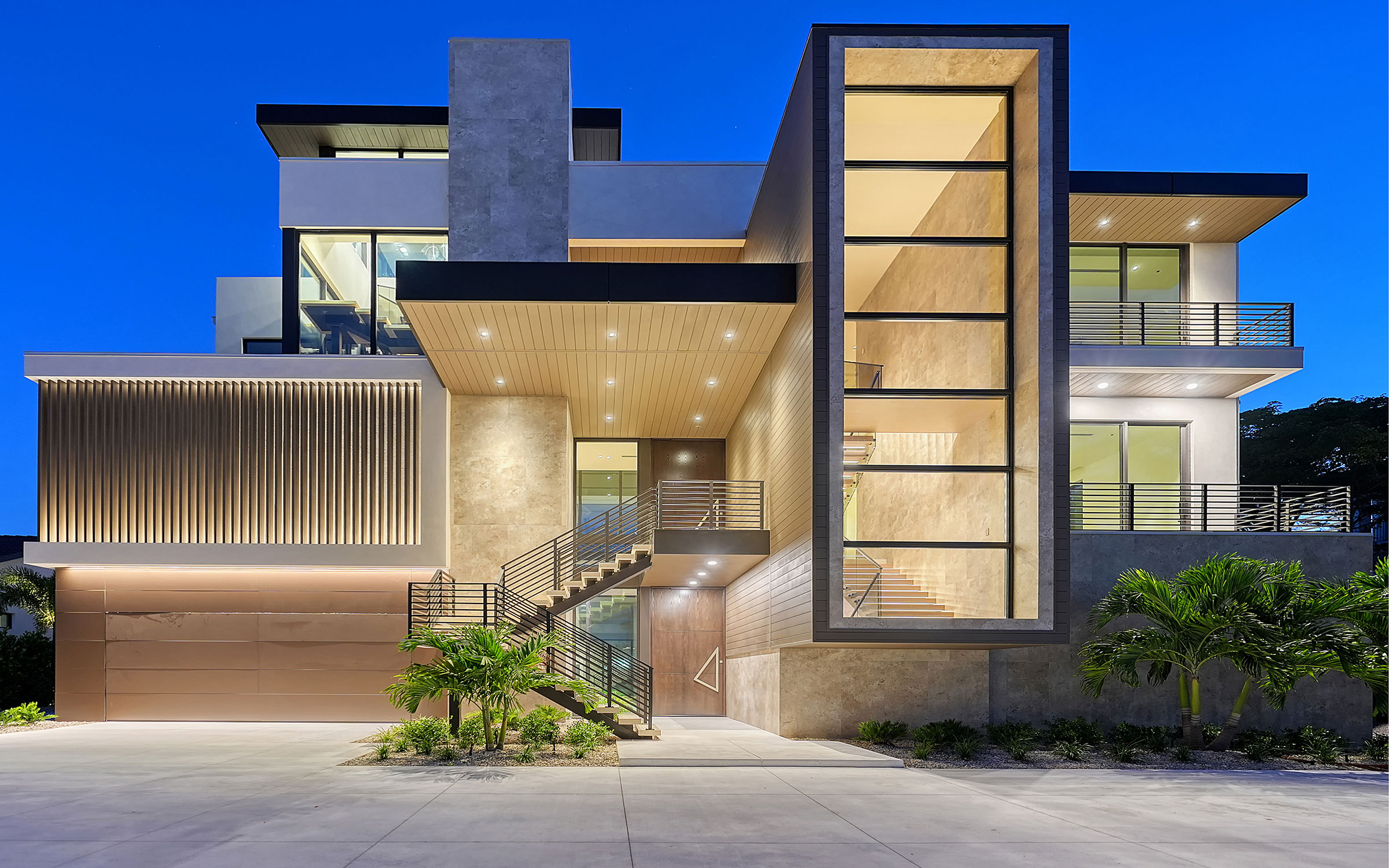
The Sarasota residence, designed by DSDG, has a very rectilinear architectural language. The home is composed of a series of strong squares, rectangles, planes, and volumes, and from those forms come a number of material changes and directional shifts throughout the property. That gives the architecture a real presence, especially in contrast to the softer, more organic natural surroundings.
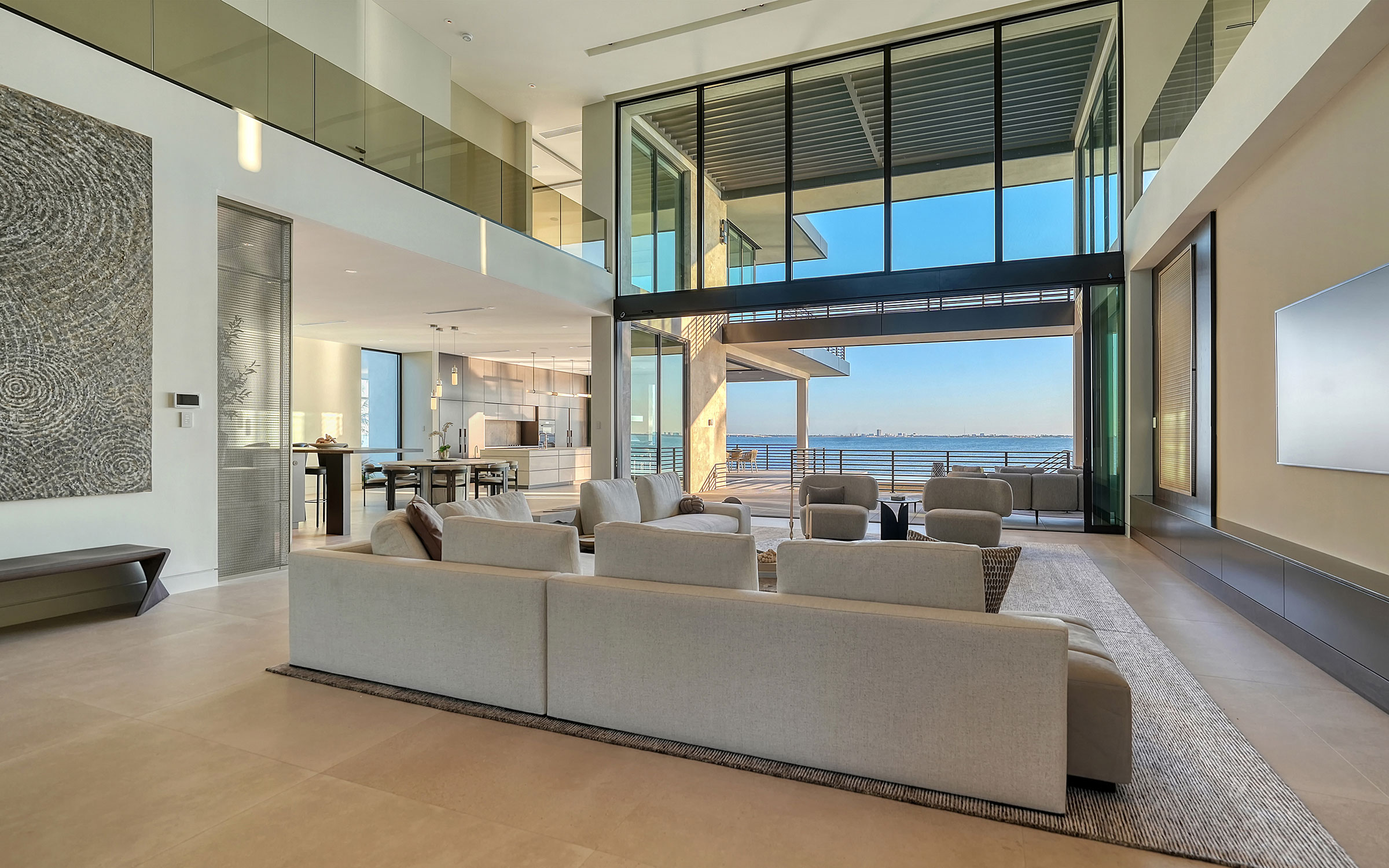
The atmosphere of the home was very much driven by the client’s vision. She often described it as her “California-Florida” home, and at one point we were even referring to the project as “Cal-Florida.” The goal was to create a calm, Zen-like environment for her and her family, with a seamless connection between the indoors and outdoors. During the day, the home is filled with natural sunlight, and as the afternoon moves into evening, the architectural lighting takes over and reinforces that same sense of warmth, ease, and connection.
The overall design intent was really about marrying those two ideas: celebrating the strength and beauty of the architecture while creating a holistic lighting design that felt soft, livable, and deeply connected to the client’s lifestyle. We wanted the lighting to transition beautifully from interior to exterior, support the way the family lives, and enhance the home’s sense of wellness, calm, and retreat.
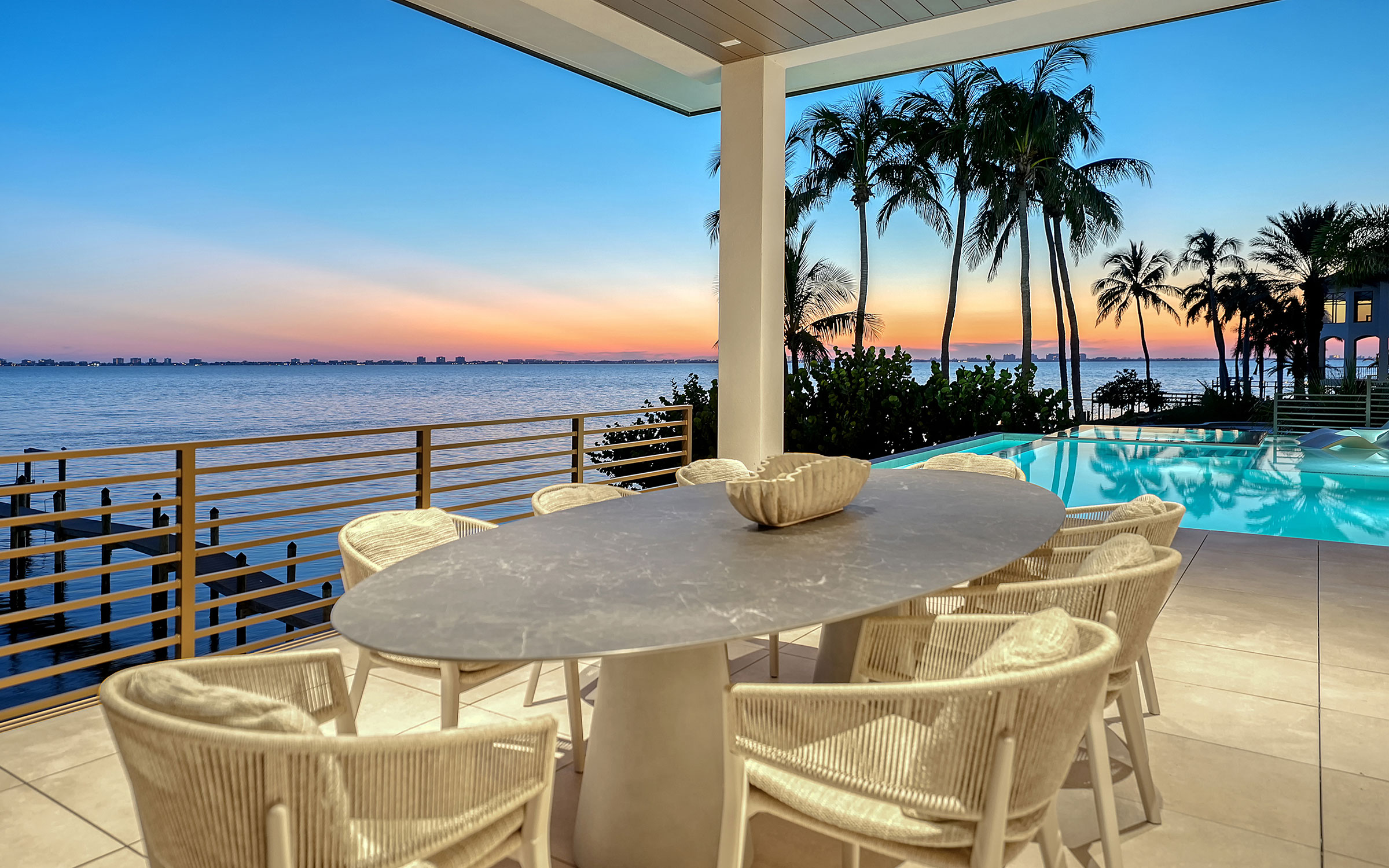
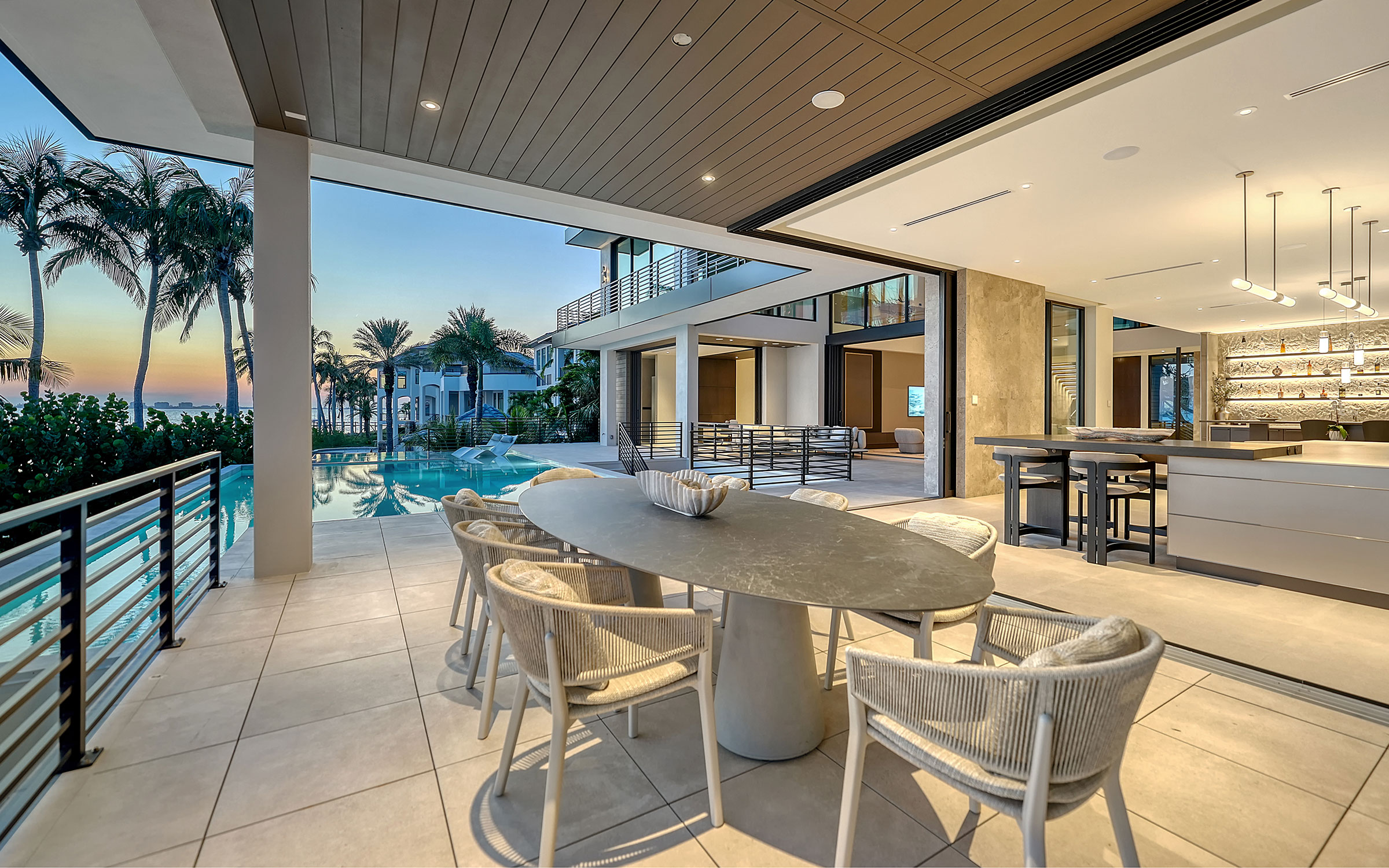
The homeowners’ primary goal was to use lighting to accentuate the architecture and interior design while providing very high-quality illumination throughout the home. They wanted the lighting to feel refined, comfortable, and supportive of a healthy lifestyle, without overpowering the architecture or disrupting the calm atmosphere of the residence.
There were some budget considerations, so the design was not a fully tunable white circadian system. Instead, we looked for ways to get as close to that feeling as possible through thoughtful fixture selection, warm-dim technology, careful layering, and precise control. The idea was to allow the home to shift naturally throughout the day, from bright, sunlit Floridian interiors to a much warmer, softer, almost candlelit atmosphere in the evening.
That objective shaped the design in a very intentional way. We were not simply lighting each room; we were thinking about how the home would feel at different times of day, how the clients would move between indoor and outdoor spaces, and how lighting could support both the architecture and the experience of living there. The result is a home that feels equally beautiful in the afternoon, at sunset, and late into the evening.
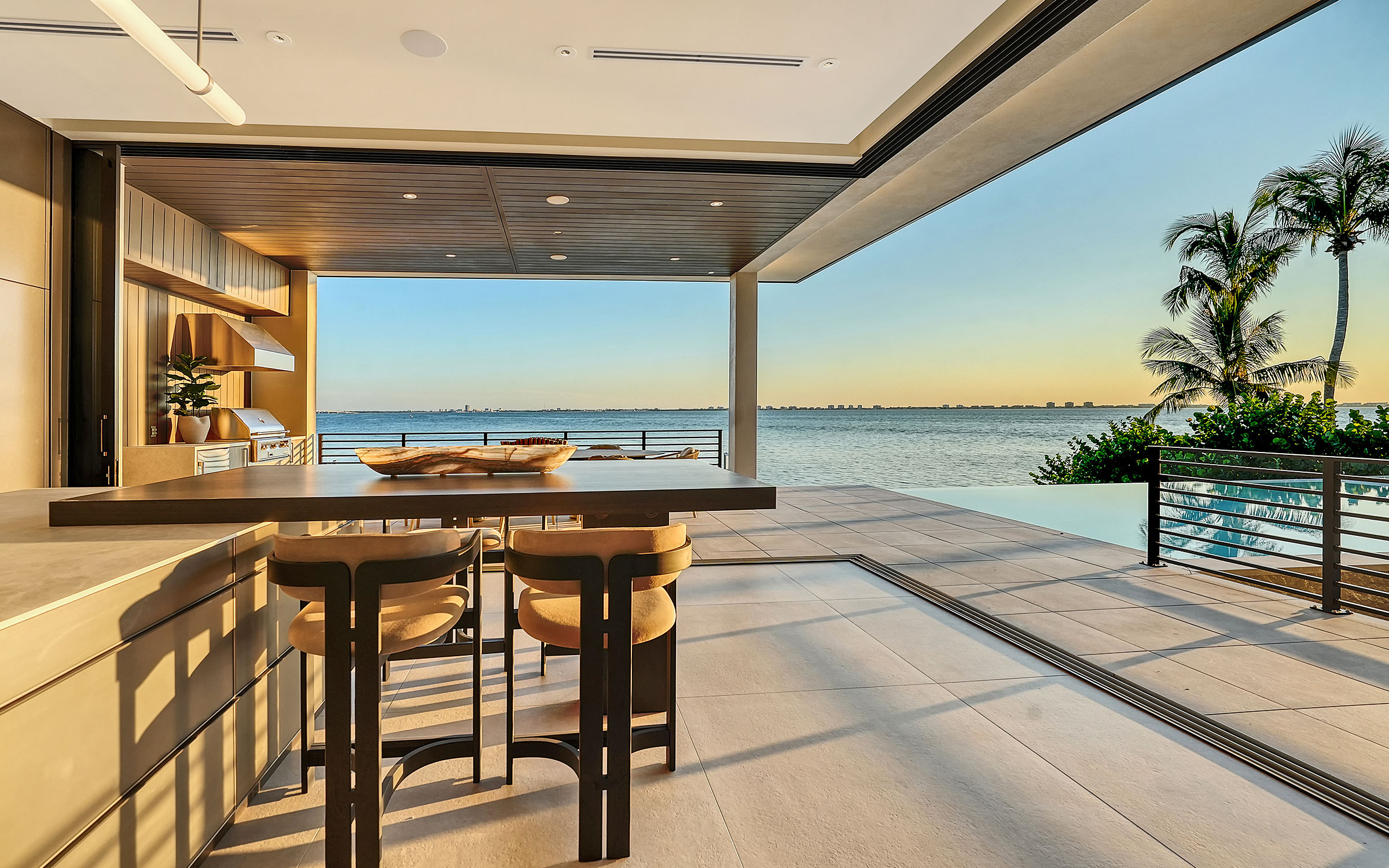
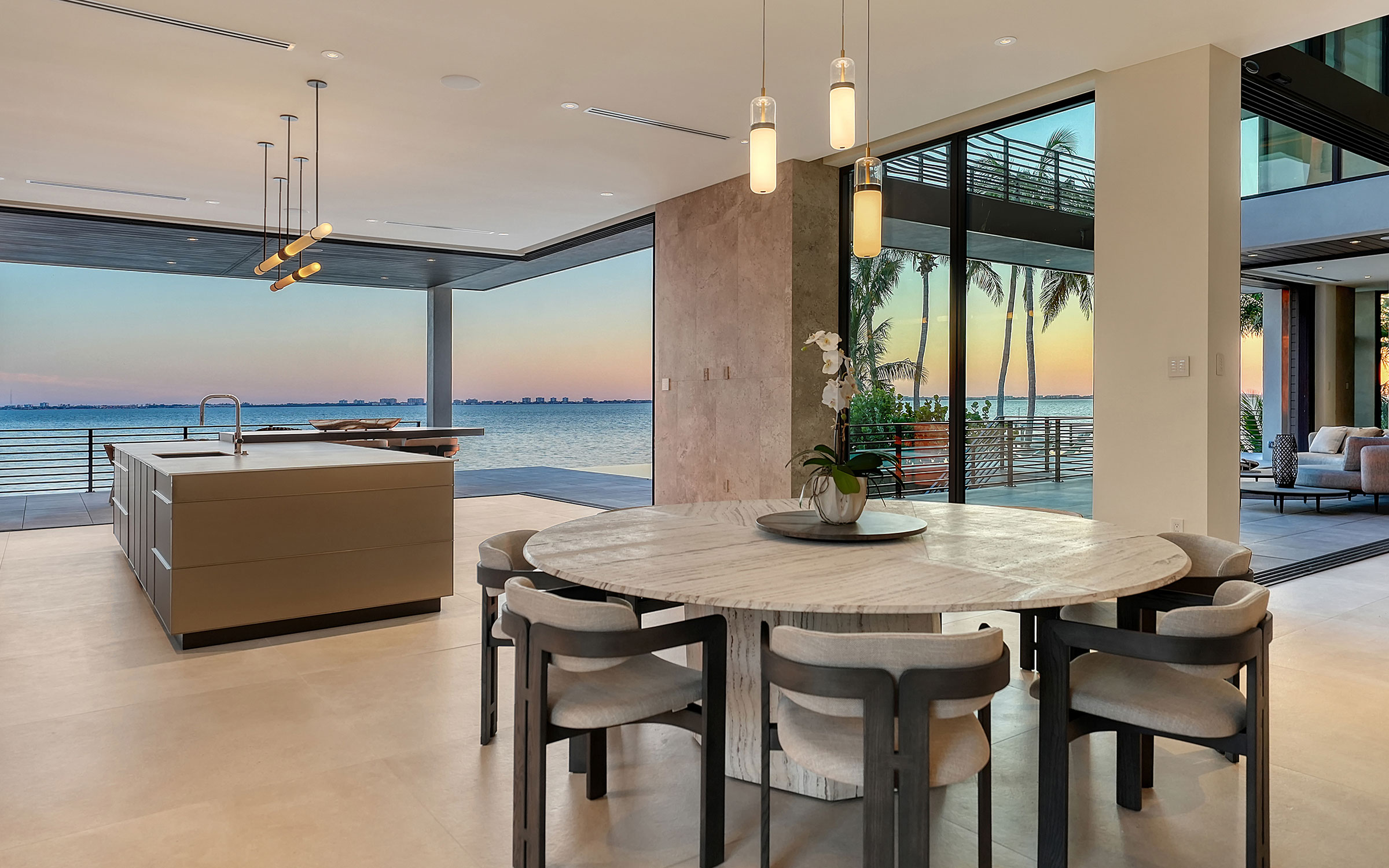
We chose to incorporate Luminii products into this project because they were the right fit for the client, the architecture, and the overall lighting intent. We were looking for a warm-dimming linear solution that could produce a really beautiful quality of white light, and Luminii has always stood out to us in that regard.
As a firm, we are very particular about color quality, especially when it comes to integrated linear lighting. Luminii’s warm-dim output has a softness and warmth that we really respond to. It skews slightly pink, which is very flattering to skin tones and also complements a wide range of architectural materials and interior finishes. For a home like this, where the lighting needed to feel warm, refined, and deeply integrated into the architecture, that quality of light was incredibly important.
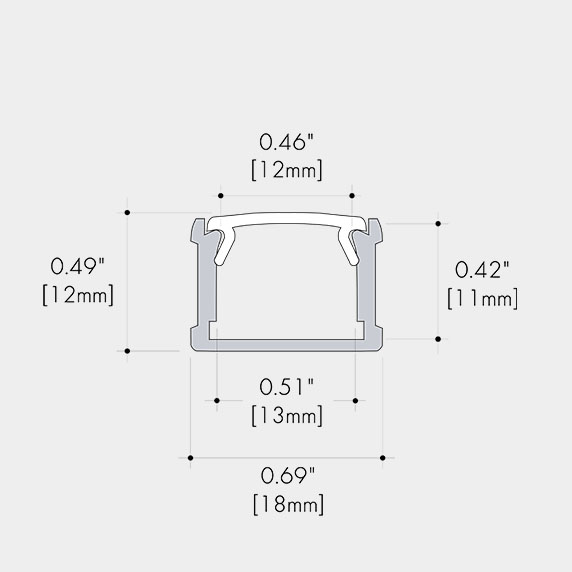
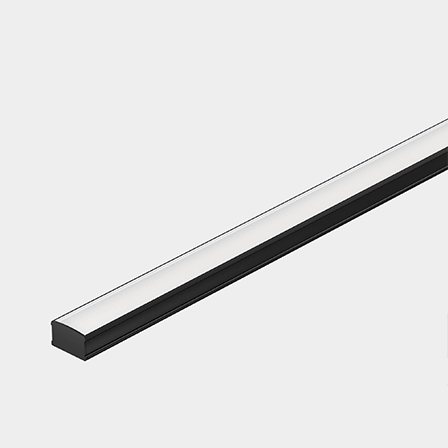
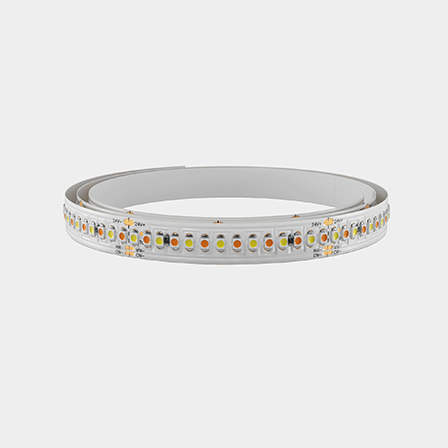
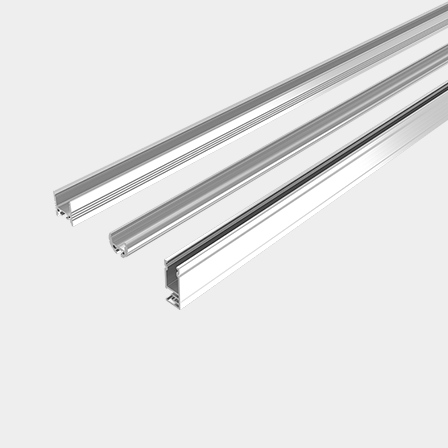
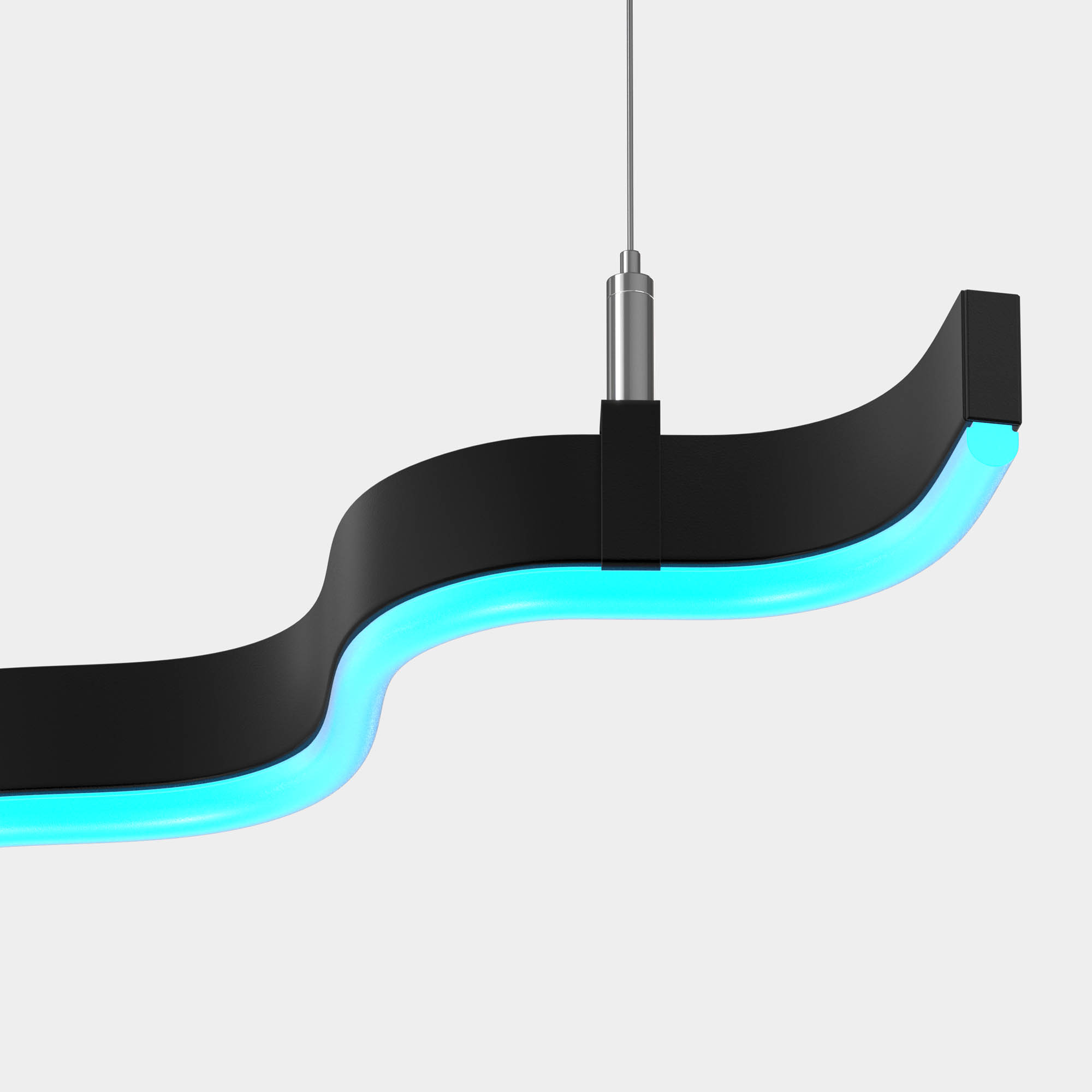
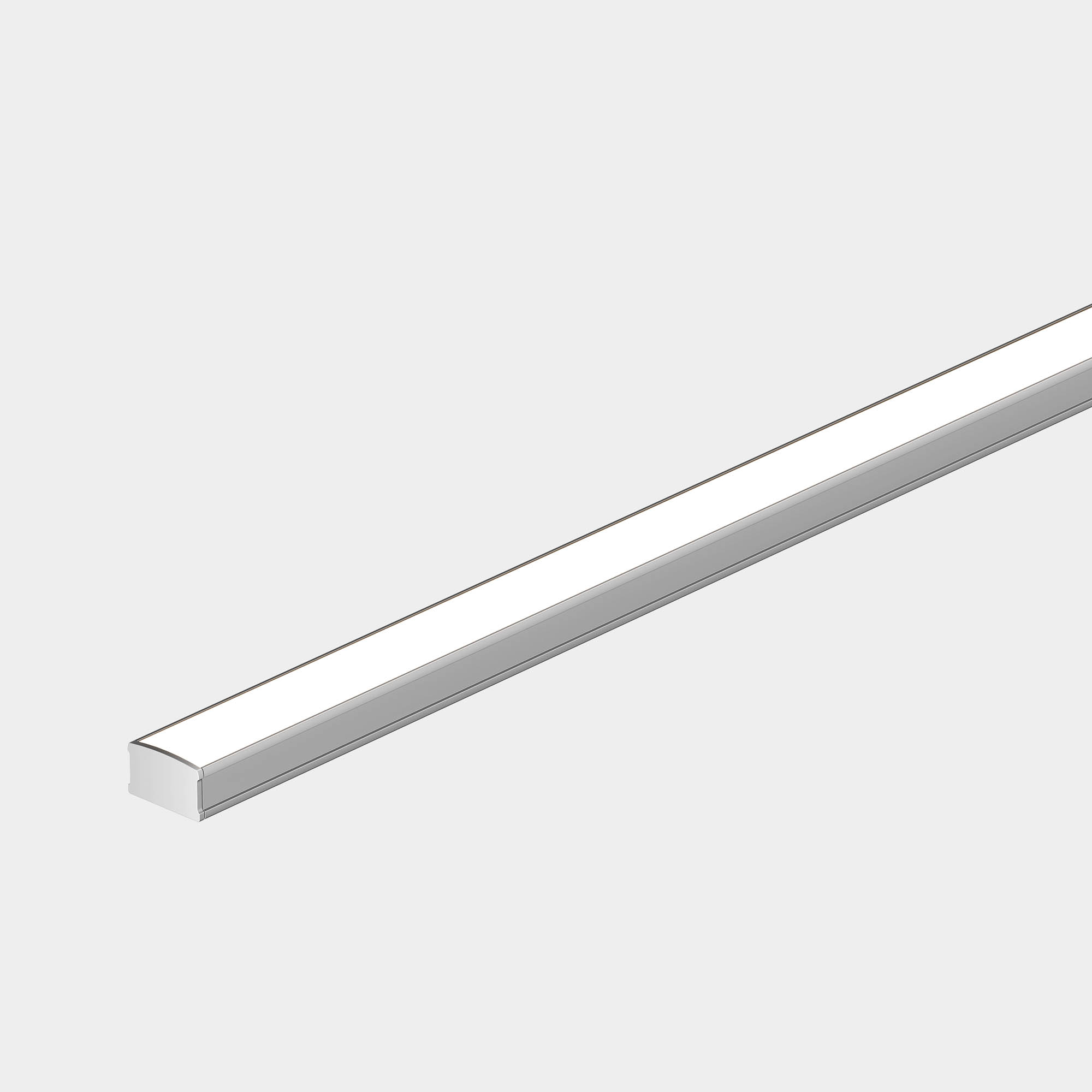
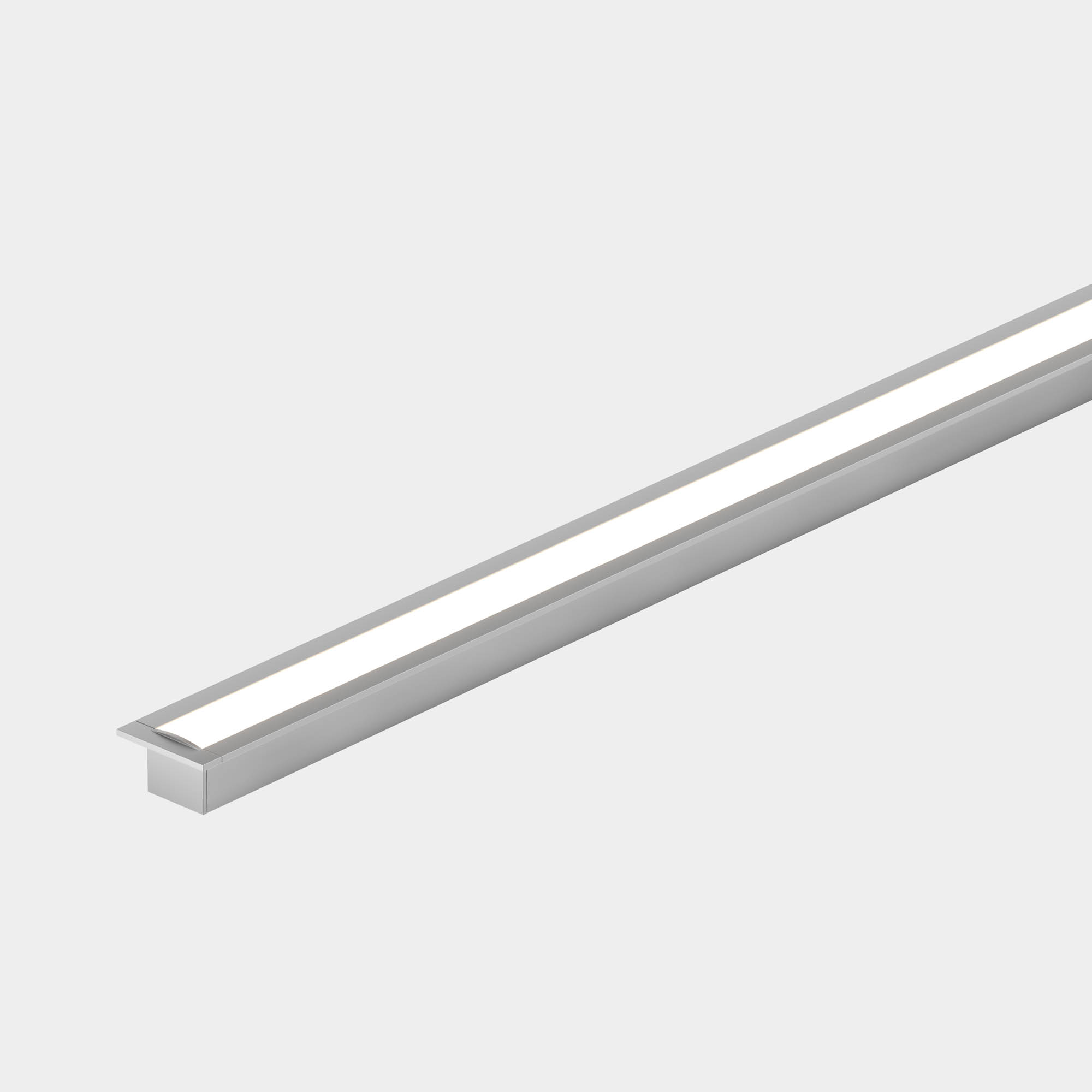
Throughout the home, we used a significant amount of Luminii’s Kendo M warm-dim linear product, specifically the Kendo M WD68SO Standard 1900K to 2700K linear system. It was paired primarily with the Kendo M channel and frosted lens, which gave us a beautifully diffused, architectural line of light. In select areas, we used the same extrusion with a graze optic where we wanted more emphasis on texture or vertical surface illumination.
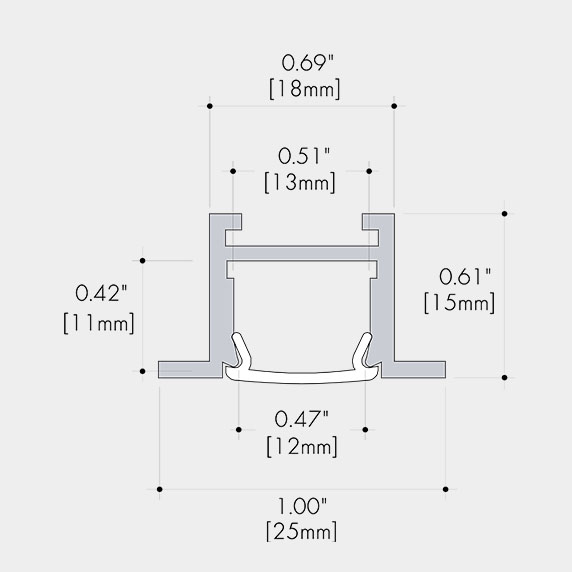
We also incorporated the Kendo wet location version for exterior applications, which allowed us to maintain a consistent quality of light from the interior to the exterior. That was especially important on this project because one of the main design goals was to create a seamless flow between indoor and outdoor living spaces.
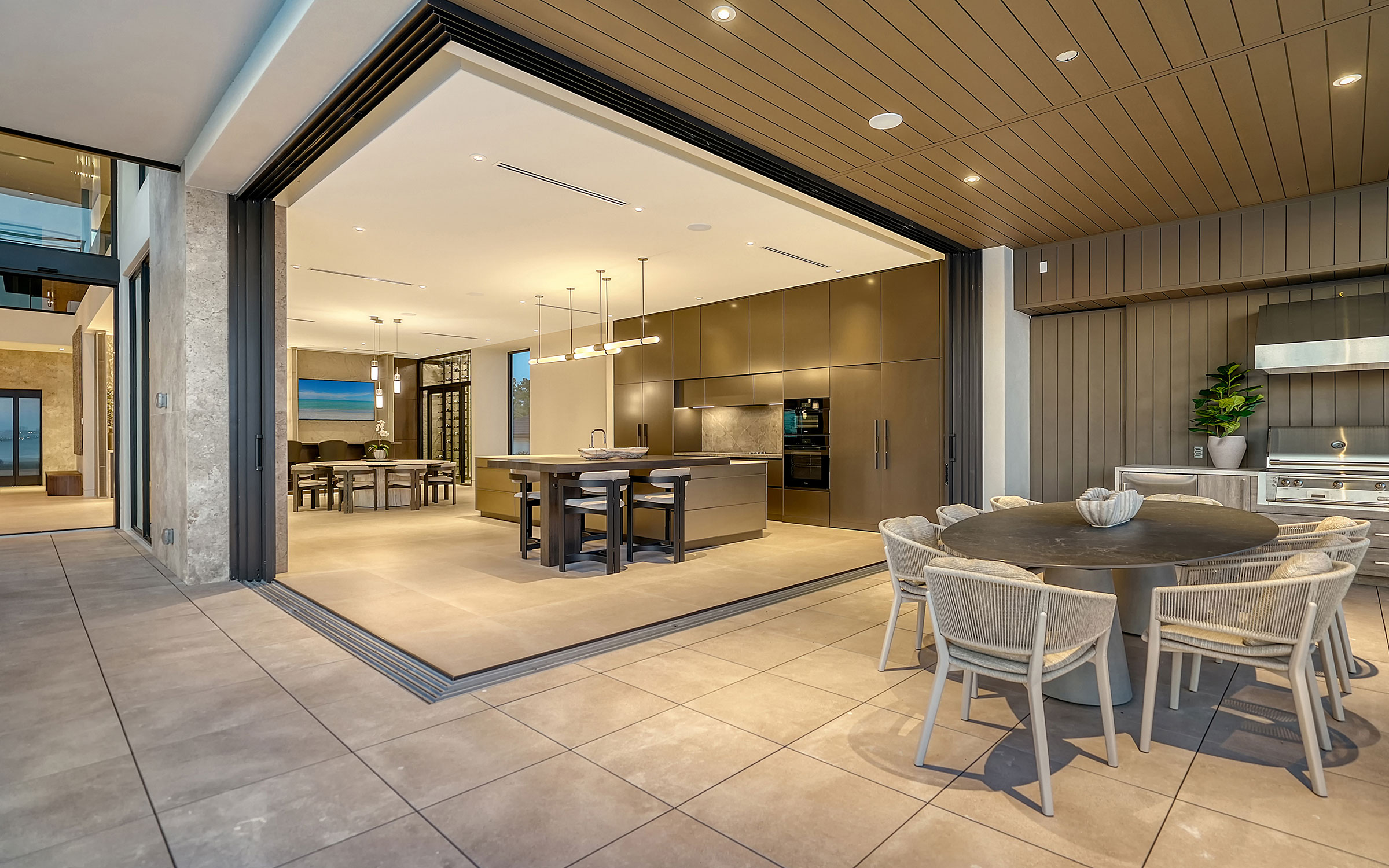
One of the most important attributes was Luminii’s warm-dimming range and the quality of the color temperature shift. Because this home was designed to transition from bright, sunlit, indoor-outdoor living during the day into a much warmer, softer, and more restorative atmosphere in the evening, the color quality of the linear lighting was critical.
We were aiming to get as close as possible to a circadian rhythm-inspired lighting approach, within the parameters of the project. Luminii’s ability to dim down to a very warm tone allowed us to support that vision without the lighting feeling artificial or overly technical. It gave the home a natural progression, from crisp and architectural during the day to intimate, relaxed, and almost candlelit at night.
That range was especially important because so much of the lighting was integrated into architectural details. The product needed to perform beautifully, but also quietly. Luminii allowed us to create those soft lines of light, highlight the architecture, and maintain a consistent warmth and quality throughout the home.
No custom products were used. The Luminii product line offered enough variation and flexibility that we were able to find the solutions we needed within the standard offering.
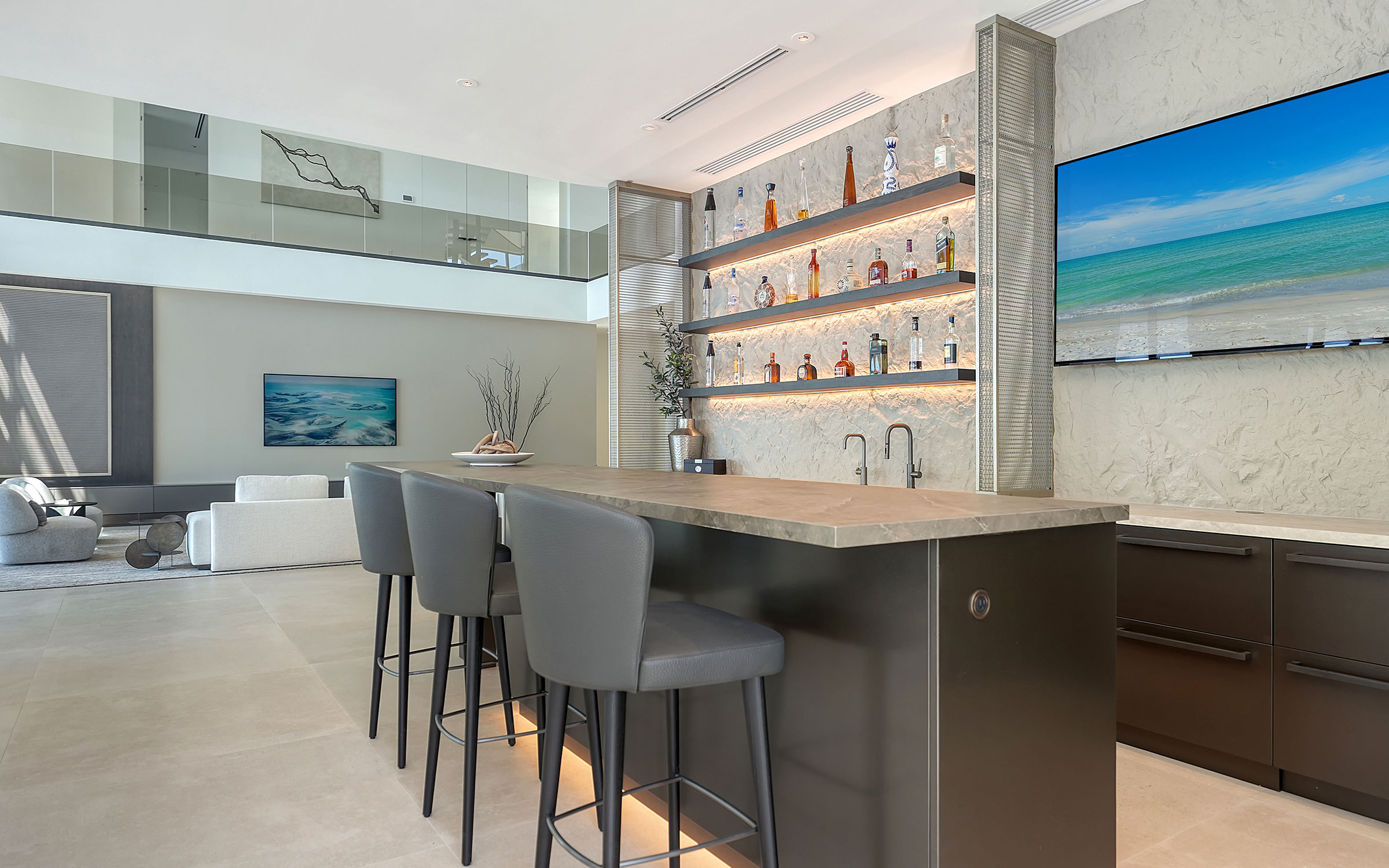
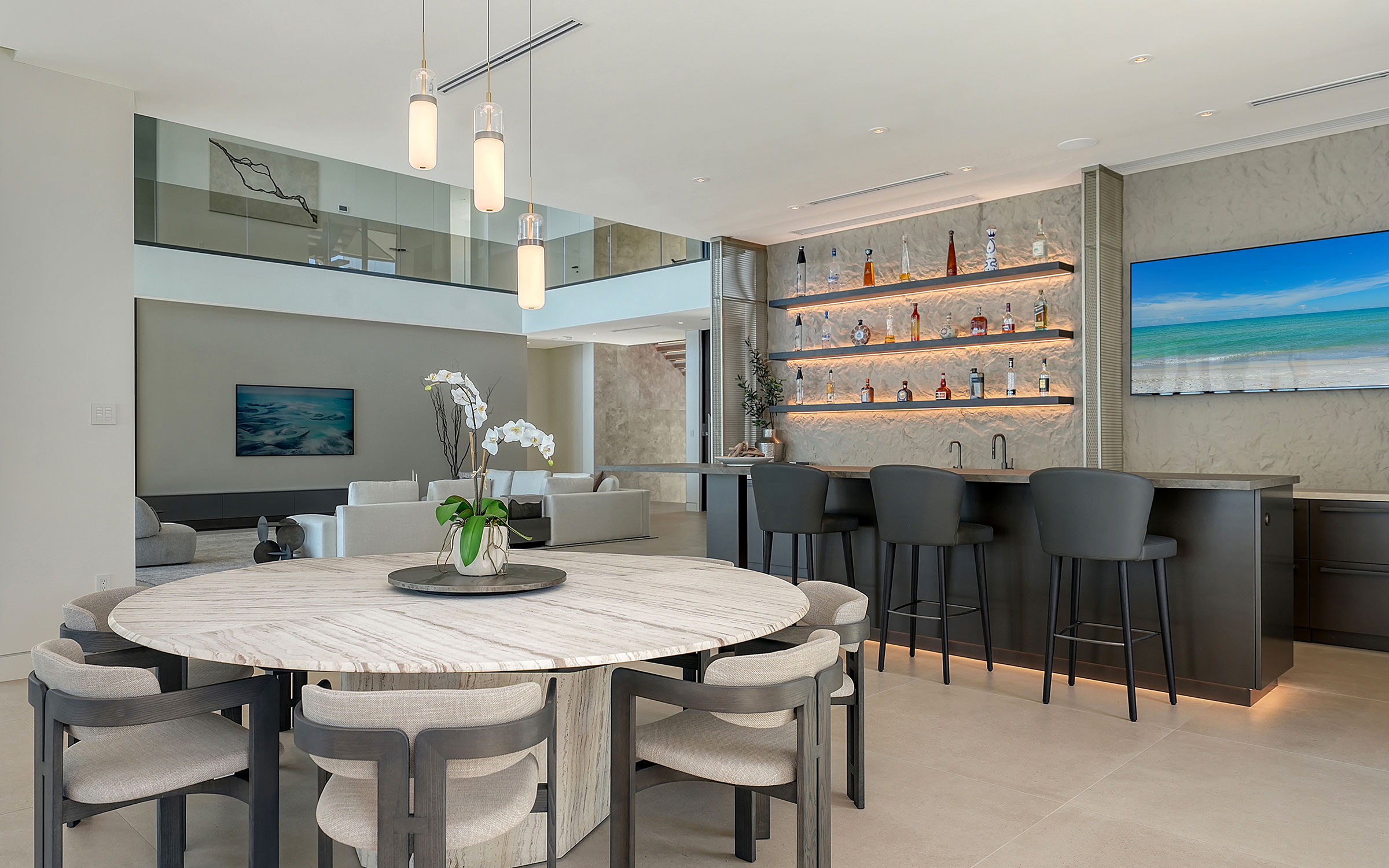
One of the biggest challenges with this home was the range and variety of architectural spaces. Some areas had dramatic 26-foot-high ceilings, while others dropped down to much more intimate 9-foot ceiling heights. That meant we needed lighting solutions that could work across very different scales, transitioning from large open volumes to smaller, more enclosed spaces while still feeling consistent and intentional throughout the home.
Another challenge was balancing the home’s relationship with daylight. Because of the architecture, many areas are beautifully illuminated by the strong Floridian sun during the day. However, not every space receives the same level of natural light, so it was important for us to make those areas feel equally bright, warm, and welcoming. The goal was for the entire home to feel as though daylight was carrying through it, even in spaces where the sun did not directly penetrate.
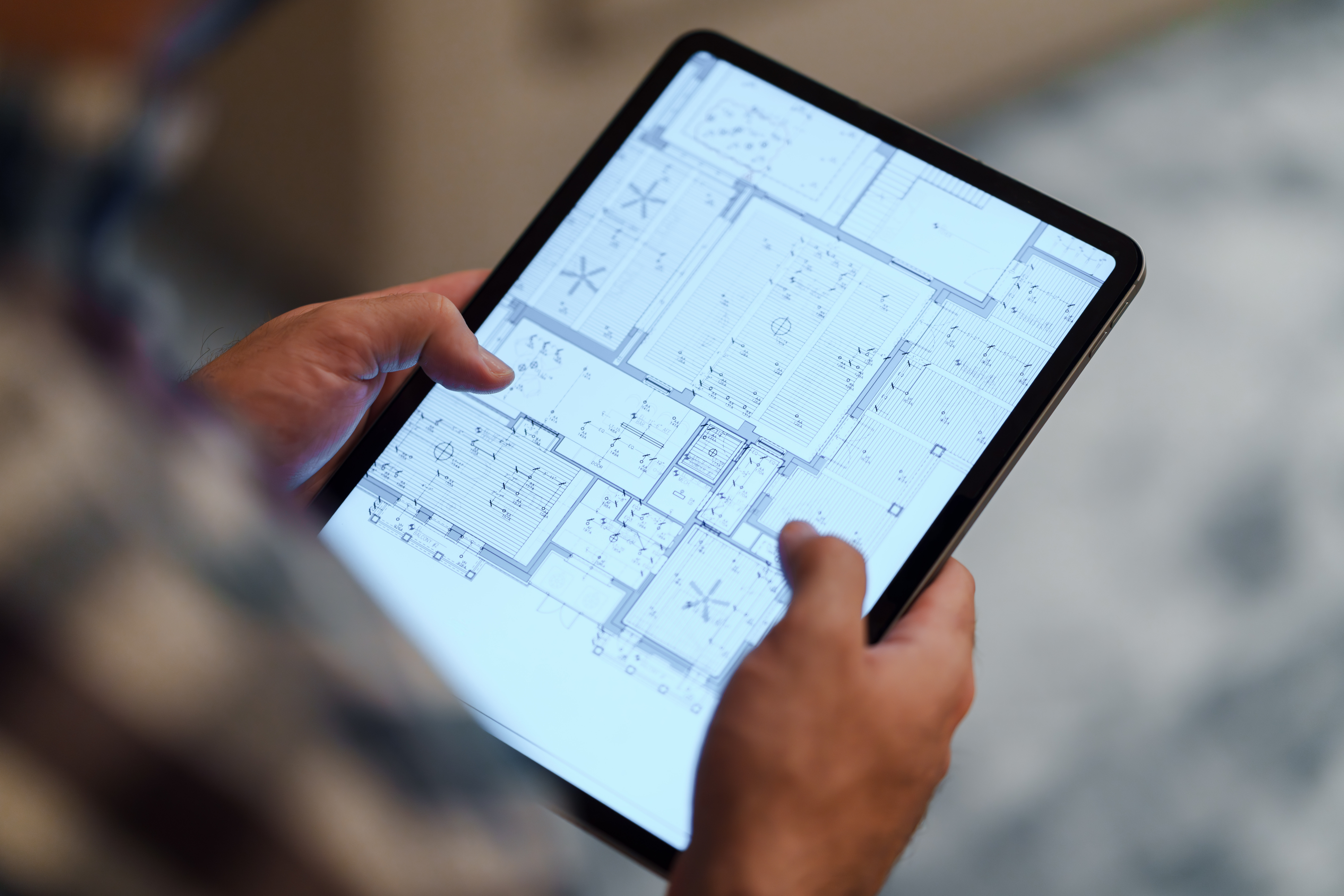
As with many highly custom residences, integration was also a major focus. Much of the lighting was designed to be concealed within the architecture, millwork, and interior detailing. That required close coordination with the builder, architect, interior designer, and millworker to develop details that would achieve the intended lighting effect, remain maintainable, and keep the light sources hidden. The challenge was not just making the lighting perform beautifully, but making it feel completely natural to the architecture. Ultimately, the best outcome was for people to experience the architecture first and the lighting second.
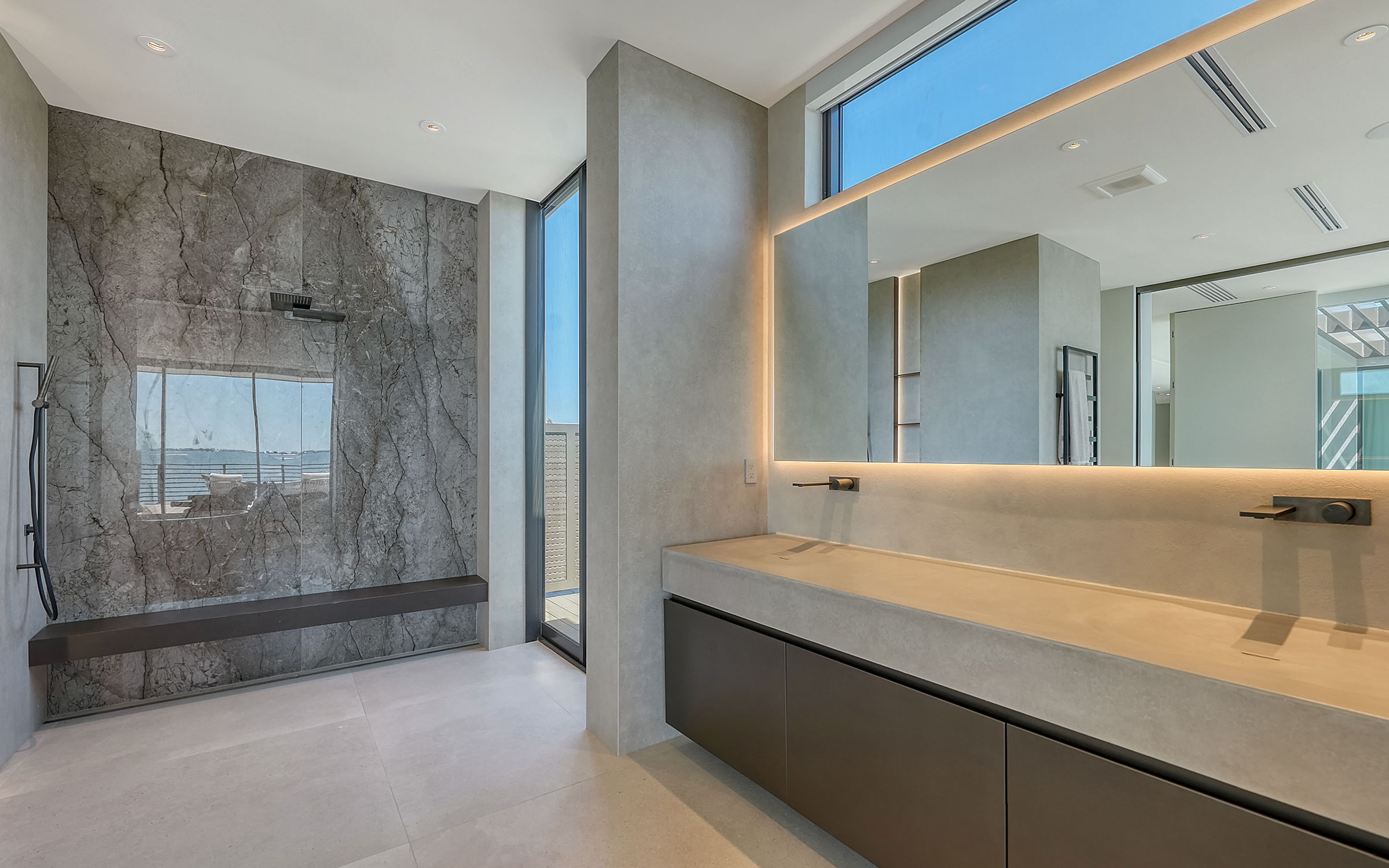
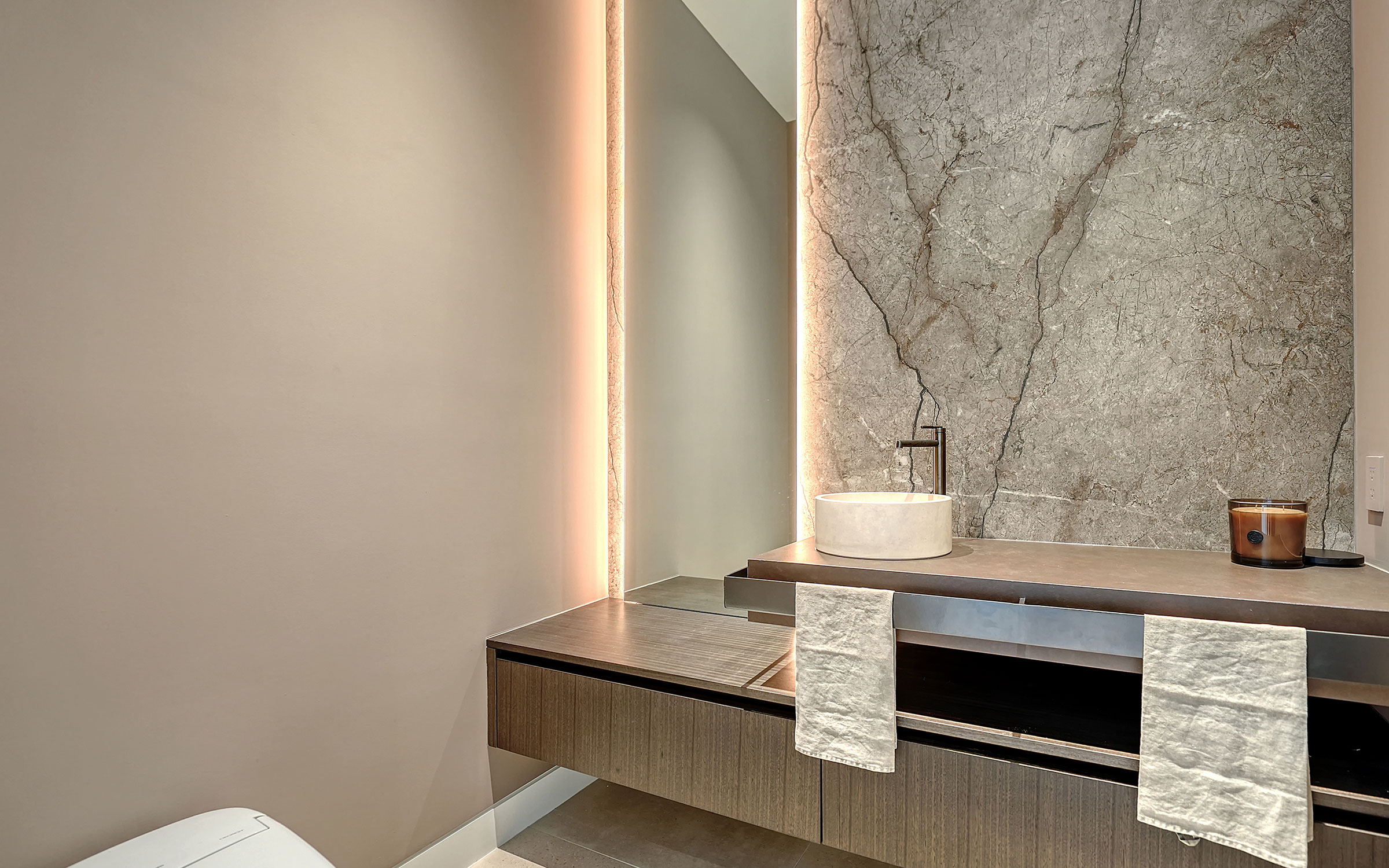
Luminii’s product flexibility was a major advantage on this project. The ability to use one product family, such as Kendo M, with different lensing and optical options while maintaining the same form factor was incredibly helpful. We could specify a frosted lens in some areas and a graze optic in others, depending on the lighting effect we were trying to achieve, without changing the overall scale or appearance of the detail.
That consistency was especially important because the lighting was integrated into so many different architectural and millwork conditions throughout the home. Being able to adapt the output, lensing, and tape light within a familiar channel allowed us to respond to each condition while keeping the design language cohesive.
The optical performance was also very important. With the Kendo M product, we were able to achieve a smooth, refined line of light with very little diode imaging, which is critical in a high-end residential environment. Homes like this often include polished surfaces, reflective finishes, and off-angle views where any visible diodes or unevenness in the light source can become distracting.
Overall, Luminii’s performance in terms of output, brightness, color temperature, warm-dimming capability, and optical control helped us create a lighting design that felt integrated, elevated, and consistent throughout the residence.
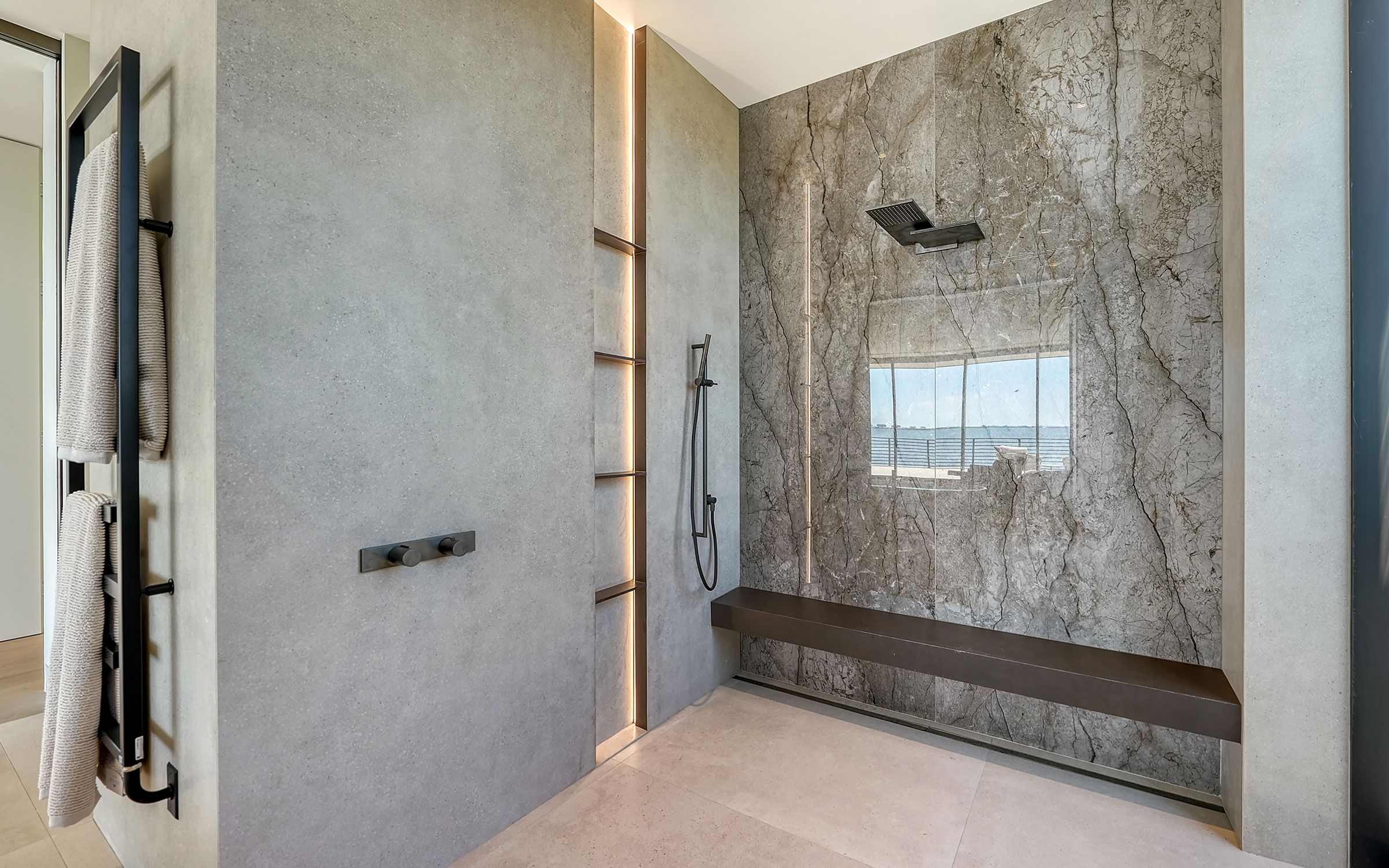
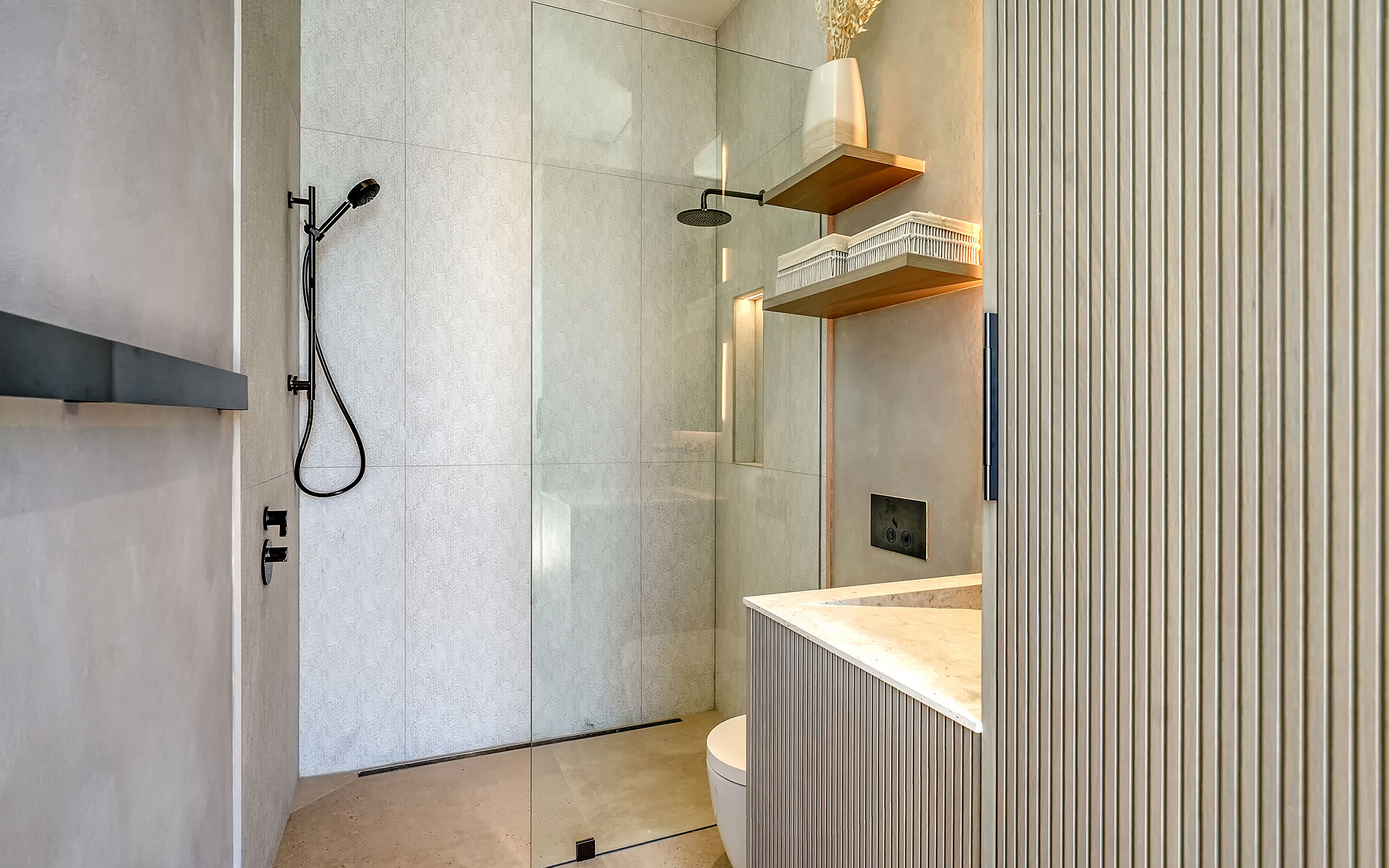
Because this was a private residential project in Florida, energy efficiency was not necessarily the primary driver of the design directive in the same way it might be on certain commercial projects. That said, it is something we consider on every project. As designers, we want to be environmentally conscious and contribute to spaces that are both beautifully illuminated and responsible in their energy use.
Luminii’s energy-efficient linear products supported that approach. Being able to use low-wattage tape that still performs beautifully was important, particularly in a home with so many integrated lighting details. The goal was always to achieve the right visual effect without using more energy than necessary.
Dimming performance was also a major factor in our fixture and control strategy. Luminii’s tape light dims exceptionally well, which is critical in a high-end residential environment. We were able to achieve very low dimming levels, down to approximately 0.1%, without visible flicker, particularly when paired with the Lutron HomeWorks control system.
That level of control is essential in a residence like this. The client needed the lighting to shift from bright, functional daytime settings to very soft, intimate evening scenes. You never want flicker or uneven dimming to interrupt that experience. The combination of Luminii’s warm-dim performance and the HomeWorks system allowed us to create a smooth, refined transition throughout the home.
The performance characteristics of Luminii products were key in helping us achieve the ambiance we wanted throughout the home. One of the most important elements was the ability to dim beautifully and consistently, especially across longer dimming curves. That allowed us to create a very smooth transition from daytime scenes into evening scenes, which could be automatically triggered through the lighting control system.
That sense of movement and progression was central to the lighting design. We wanted the home to feel bright, open, and connected to the outdoors during the day, then gradually-shift into something warmer, softer, and more intimate at night. Luminii’s dimming performance helped make that transition feel natural rather than abrupt.
The beam control and optical quality were also extremely important. In a home with so many integrated lighting details, the quality of the line of light matters just as much as the output. Luminii allowed us to create clean, controlled, refined illumination without distracting artifacts.
Color consistency was equally critical. When we specify Luminii across a project, we have confidence that the color, temperature and quality of light will remain consistent from one area to the next. We are not walking into a room and seeing one run of linear lighting that feels slightly different from another. That consistency helps the entire home feel cohesive, polished, and intentionally designed.
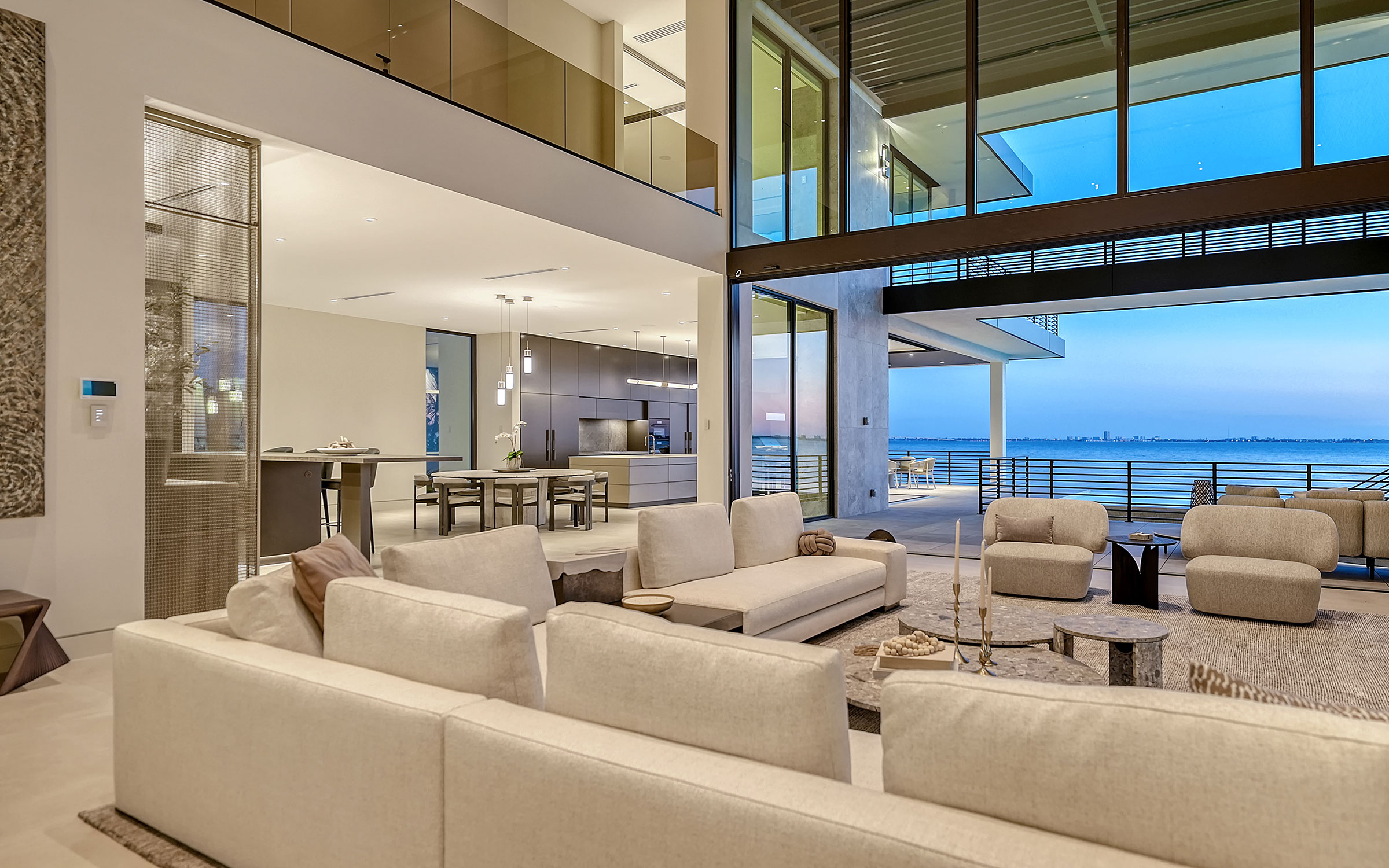
The façade is one of the biggest standout moments of the project and creates an incredible first impression. The architecture has such a strong presence, and the lighting allows that to be fully appreciated at night. What makes it especially successful is the way the exterior lighting and the visible interior lighting work together. From outside the home, the illuminated interior feels perfectly aligned with the façade lighting, creating a seamless blend between interior and exterior spaces.
The performance characteristics of Luminii products were key in helping us achieve the ambiance we wanted throughout the home. One of the most important elements was the ability to dim beautifully and consistently, especially across longer dimming curves. That allowed us to create a very smooth transition from daytime scenes into evening scenes, which could be automatically triggered through the lighting control system.
That sense of movement and progression was central to the lighting design. We wanted the home to feel bright, open, and connected to the outdoors during the day, then gradually-shift into something warmer, softer, and more intimate at night. Luminii’s dimming performance helped make that transition feel natural rather than abrupt.
The beam control and optical quality were also extremely important. In a home with so many integrated lighting details, the quality of the line of light matters just as much as the output. Luminii allowed us to create clean, controlled, refined illumination without distracting artifacts.
Color consistency was equally critical. When we specify Luminii across a project, we have confidence that the color, temperature and quality of light will remain consistent from one area to the next. We are not walking into a room and seeing one run of linear lighting that feels slightly different from another. That consistency helps the entire home feel cohesive, polished, and intentionally designed.
The great room is another highlight. It captures much of the design story of the home because the lighting is highly integrated, with the light sources concealed within the architecture. The effect is warm, refined, and atmospheric, without the lighting ever feeling visually intrusive. It allows the architecture, volume, and materiality of the space to remain the focus. In many ways, the success of the lighting is that you notice the experience of the space more than the fixtures themselves.
The kitchen also stands out because we were able to layer several types of lighting into one space. Rather than relying on a single approach, the lighting combines architectural illumination, functional light, and softer ambient layers. That layering helps the kitchen feel practical and beautifully lit, but also comfortable, warm, and connected to the rest of the home.
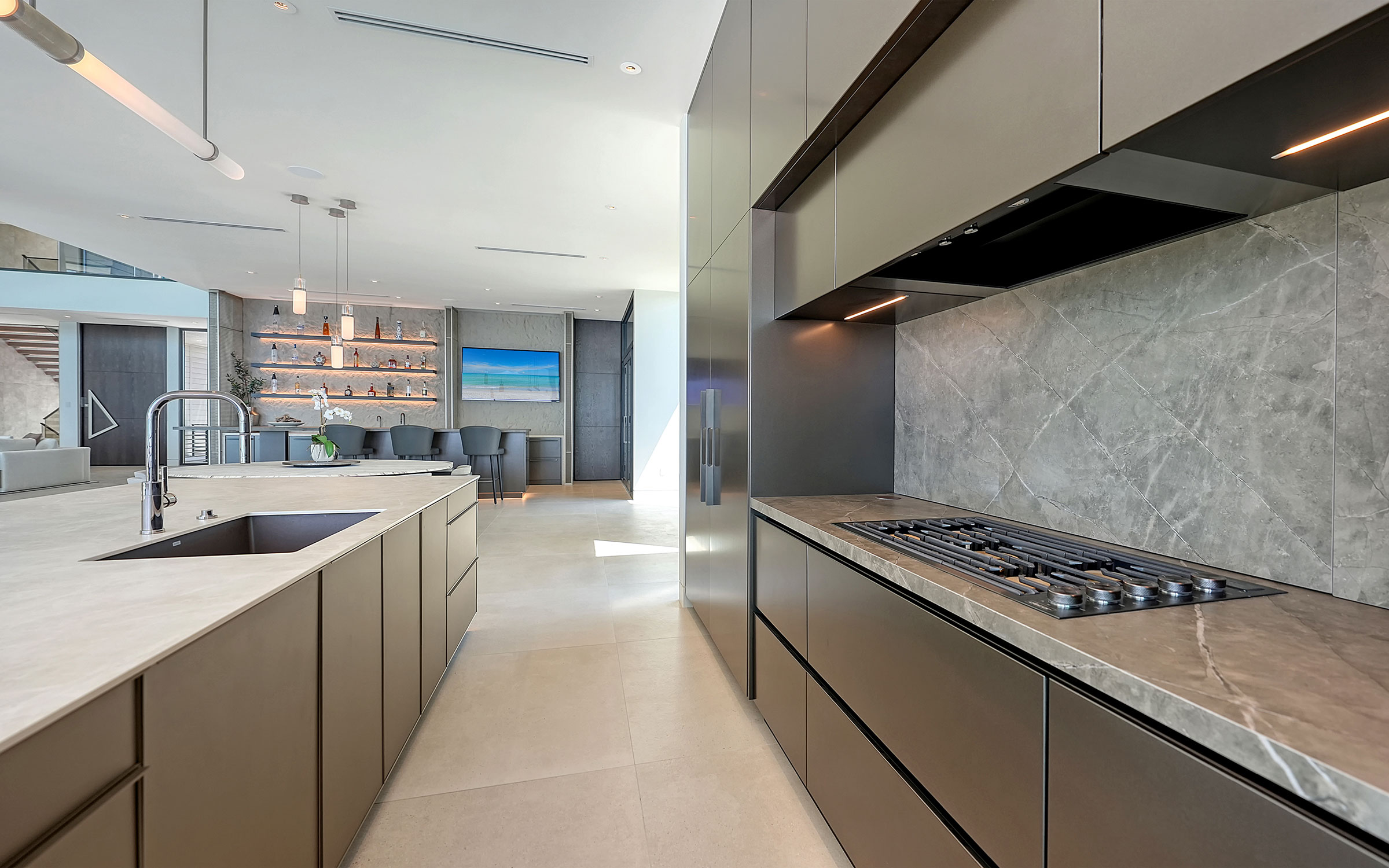
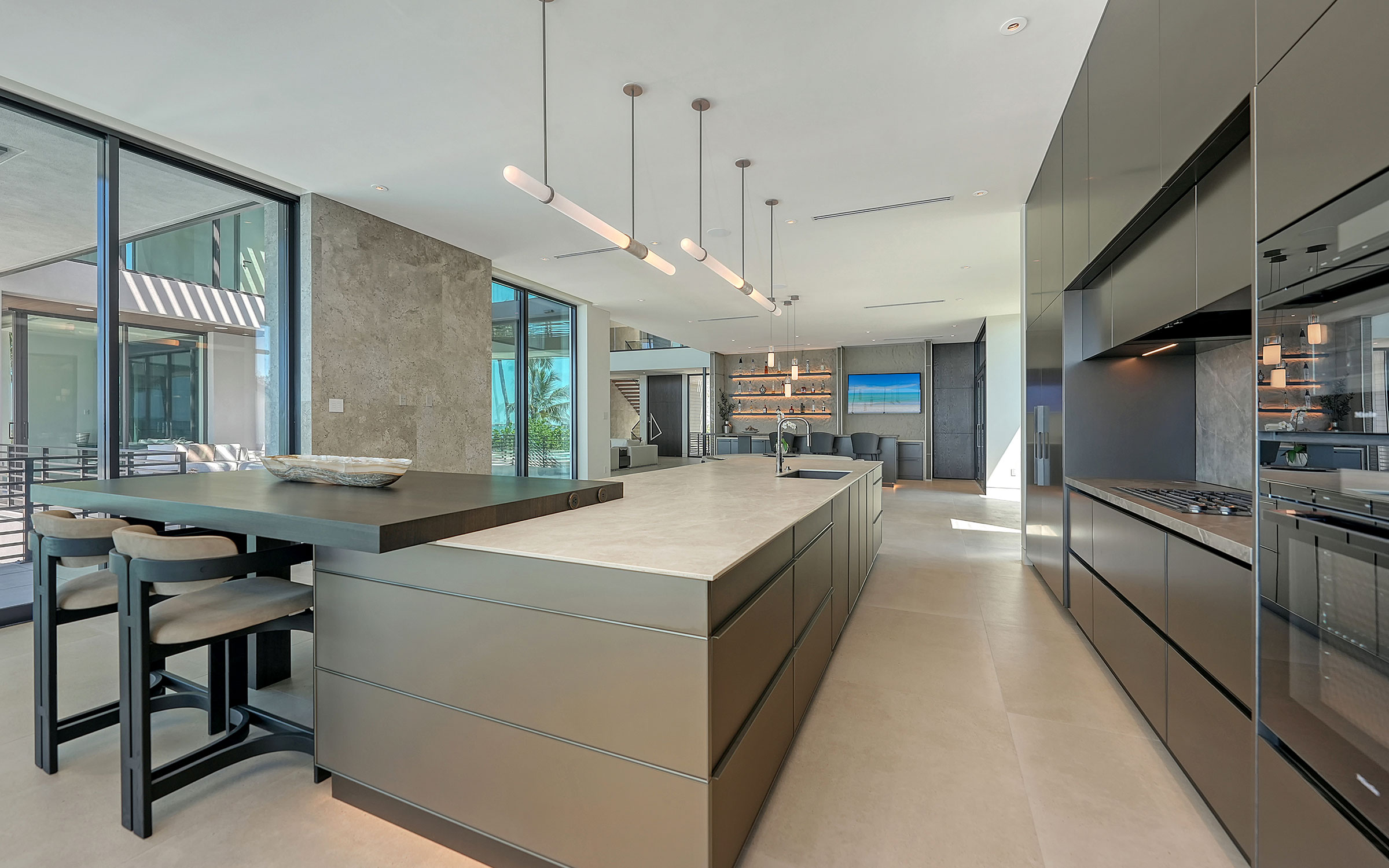
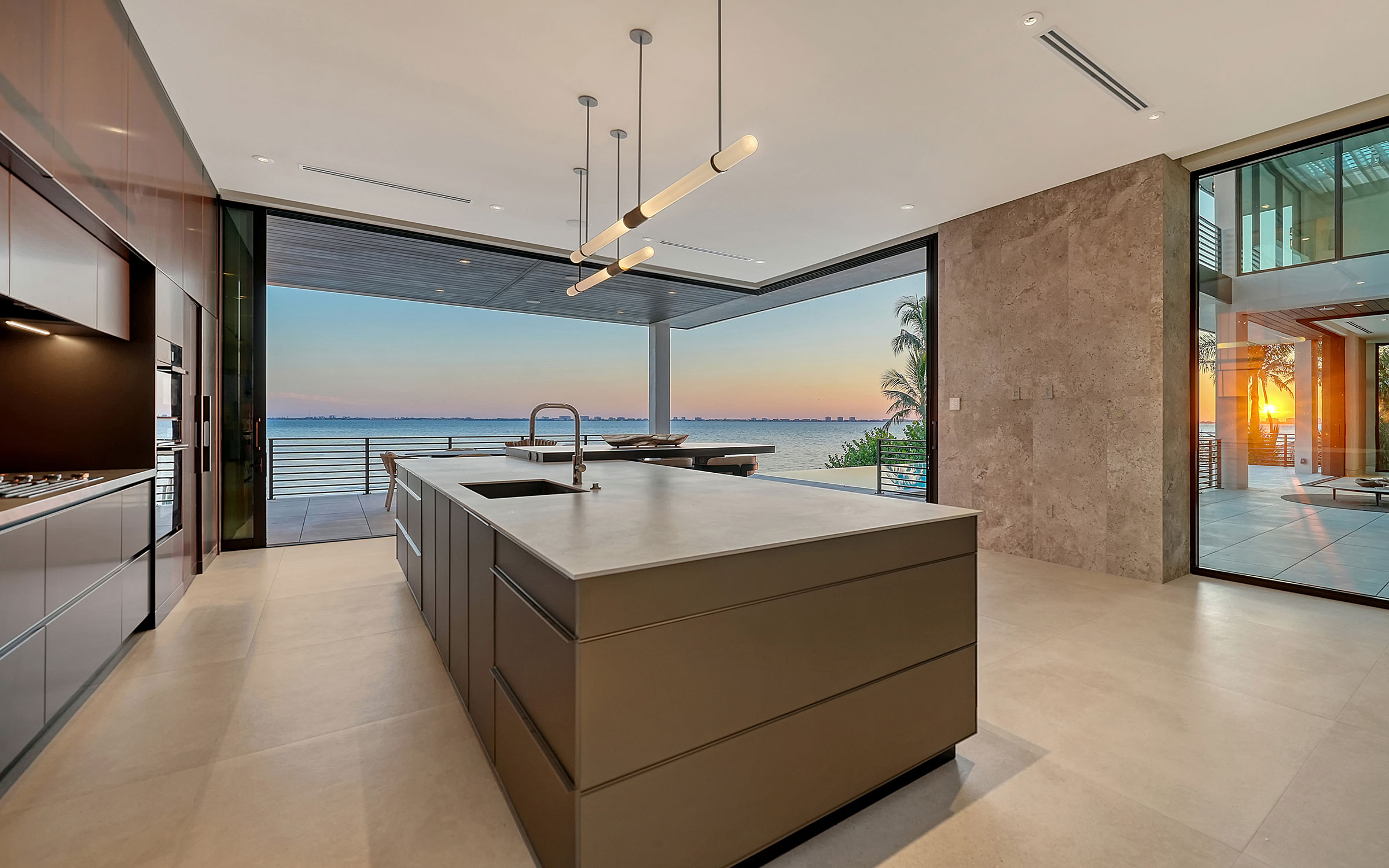
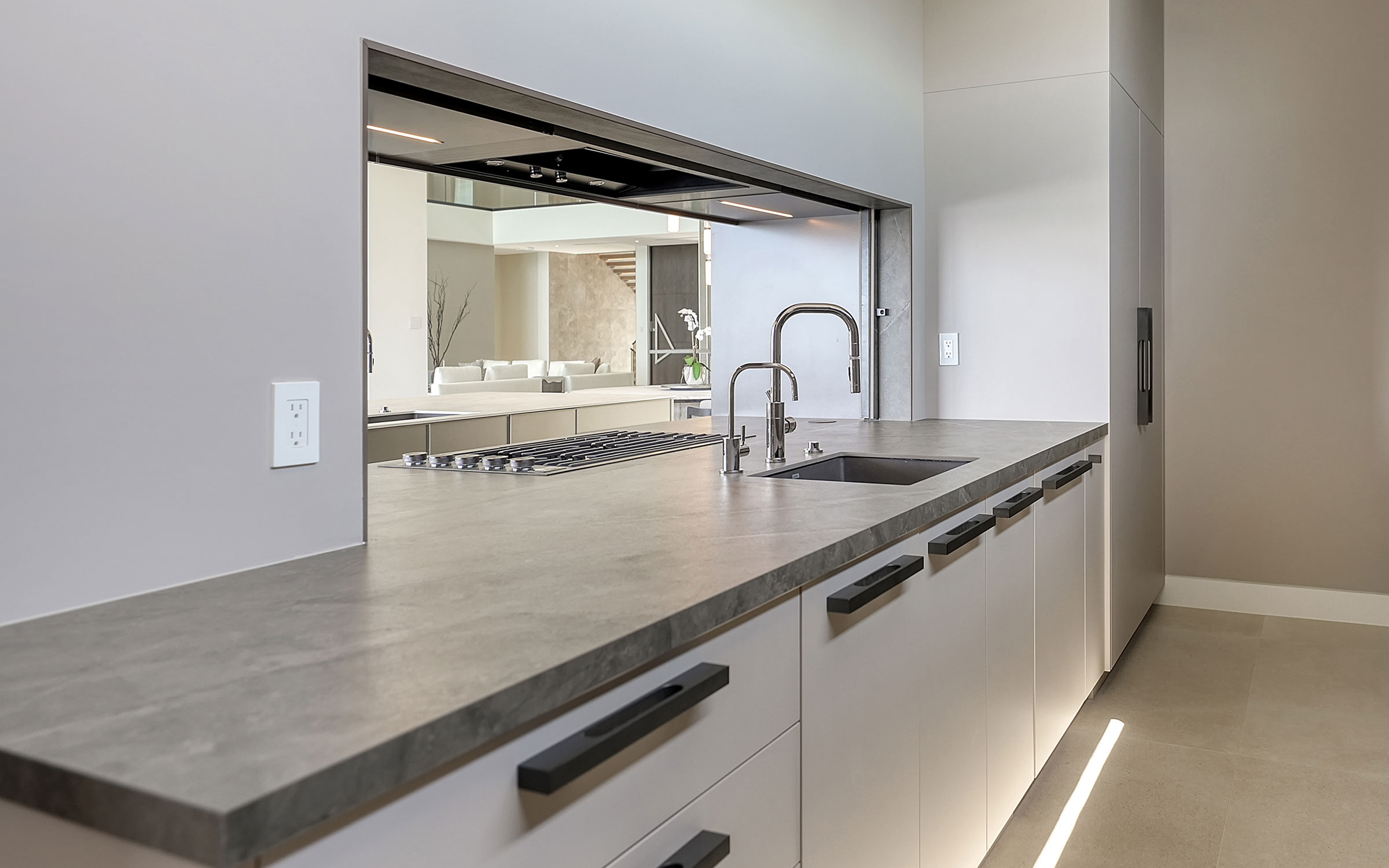
Layering was one of the most important techniques used throughout the home. We never wanted the lighting to feel like it was coming from one obvious source. Instead, the design combines decorative lighting, architectural lighting, accent lighting, and integrated illumination to create depth, warmth, and flexibility.
In many spaces, the decorative fixtures act as the apparent source of light and help define the character of the room. Then, more discreet architectural layers, such as accents, local luminaires, and concealed linear lighting, provide the actual illumination needed to make the space function beautifully.
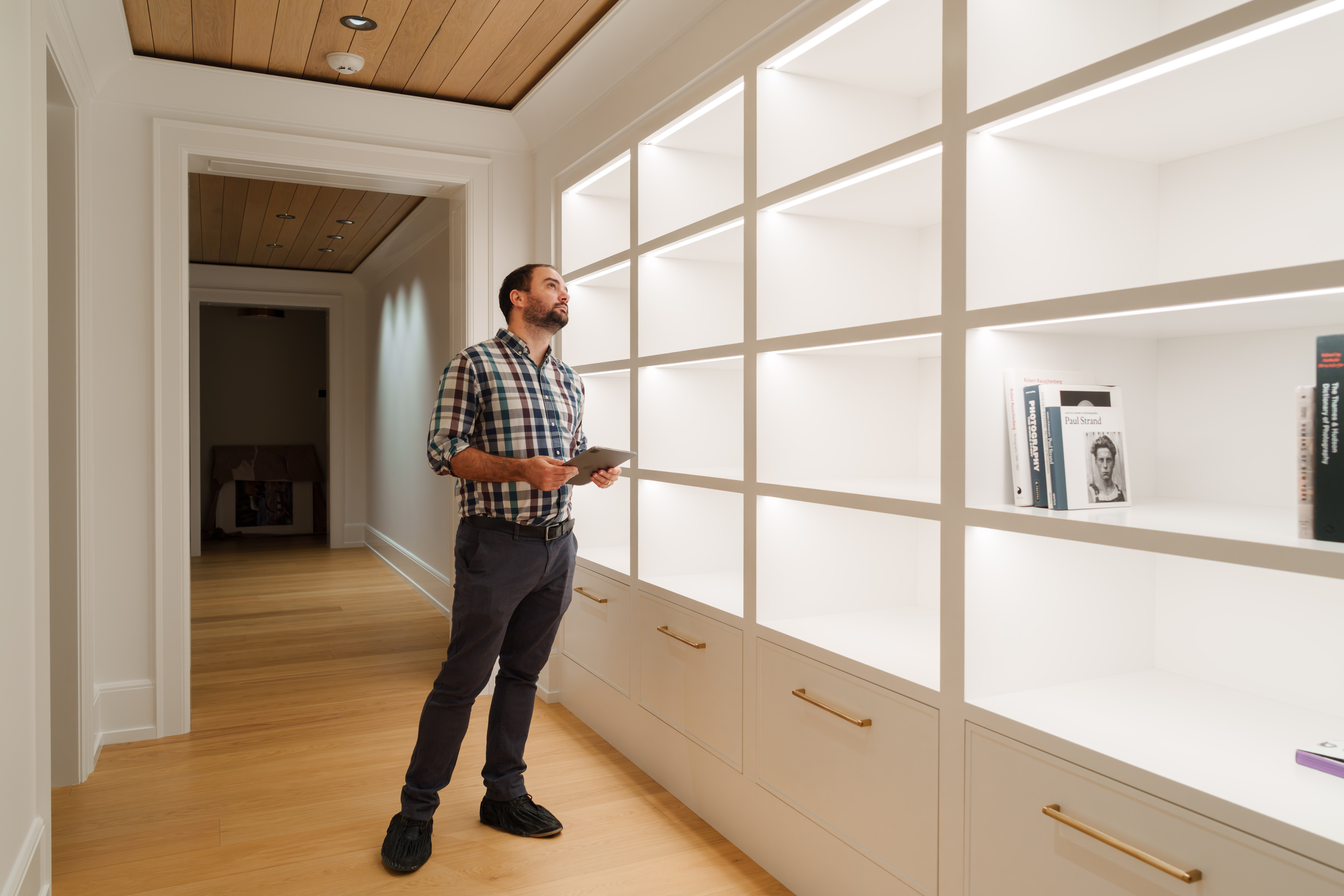
We also integrated lighting into millwork, shelving, and architectural details to create a more immersive and dimensional experience. Wall grazing was used in select areas to emphasize texture, materiality, and architectural planes. Together, these techniques allowed the architecture to feel more alive, while keeping the lighting quiet, refined, and deeply integrated into the overall design. We were always looking for ways to conceal the source and reveal the effect, allowing the light to shape the experience without drawing attention to itself.
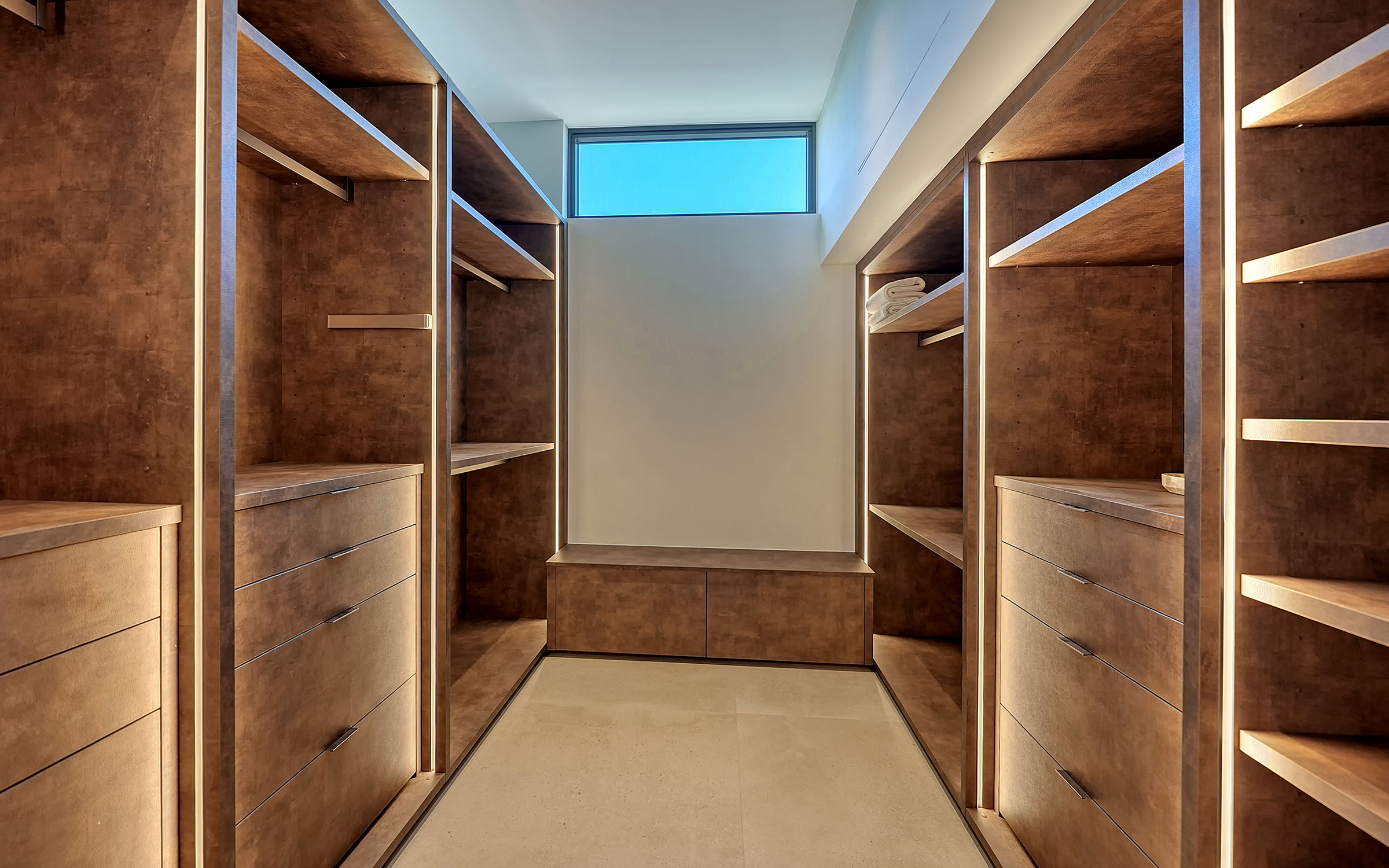
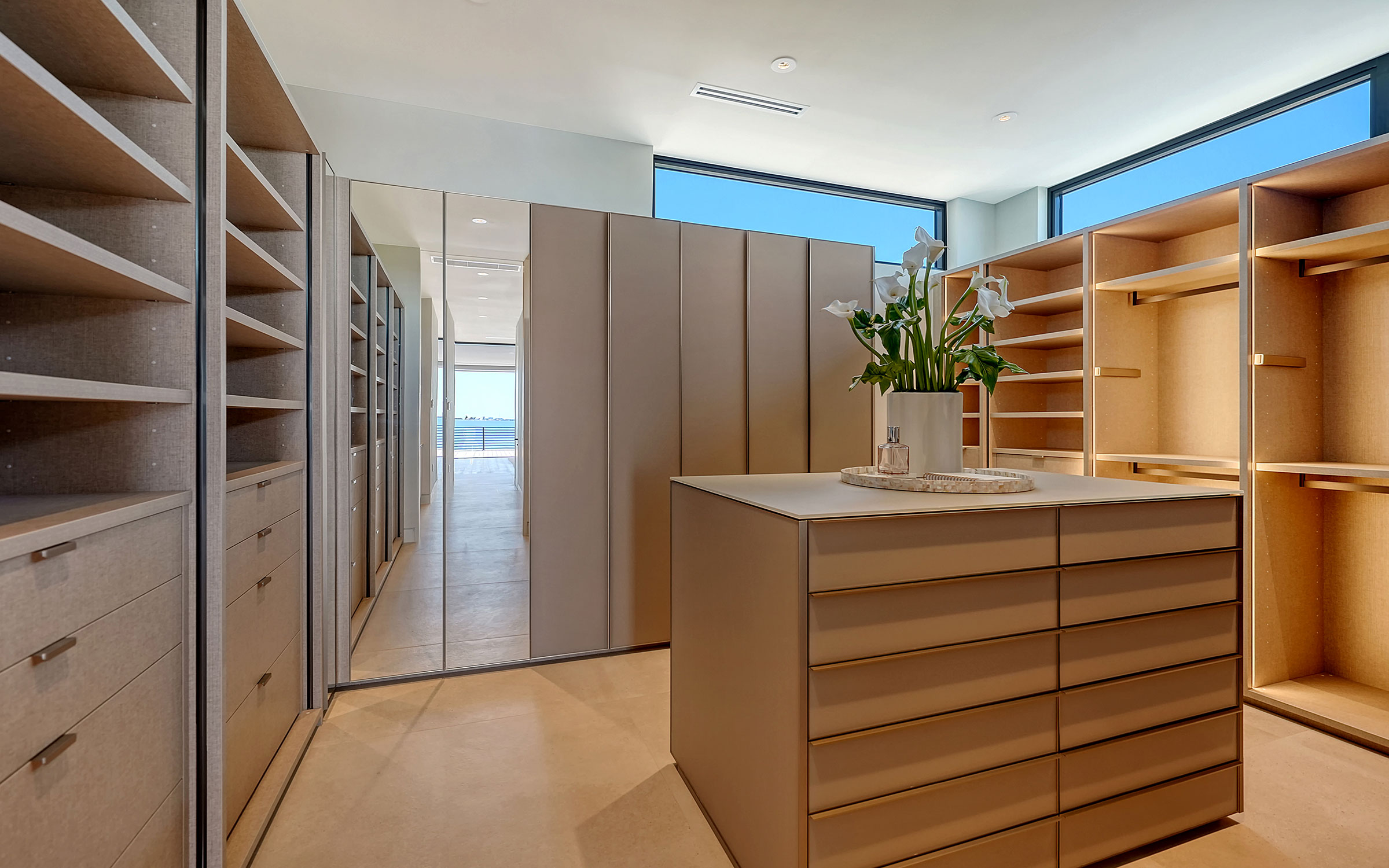
The biggest “wow moment” was the first time we saw the exterior lighting fully turned on alongside the interior lighting. That was when the entire shape and form of the building really came to life.
The architecture is so strong during the day, but at night the lighting revealed a completely different layer of the home. You could see the rectilinear forms, the material changes, and the connection between the interior and exterior spaces all working together. The lighting made the house feel sculptural, warm, and alive.
That moment really captured the spirit of the project because it showed how the lighting was not just illuminating the home but helping express the architecture and the client’s vision for a residence that feels both dramatic and deeply inviting.
The homeowner was genuinely wowed by the final result. I think she always knew the home had the potential to be special, but seeing the lighting fully installed and programmed brought another level of depth and atmosphere to the project. She was particularly impressed by how dynamic the lighting could be while still feeling warm, refined, and completely integrated into the home.
It is one thing to talk about lighting scenes, warm-dimming, and architectural integration during the design process, but it is another thing entirely to experience it in the finished space. The final result allowed the home to shift beautifully from bright daytime living to softer, more intimate evening settings, and that transformation really resonated with her.
The response from the project team was also very positive. The AV integrator was especially pleased with the ease of working with the product and how smoothly it integrated into the overall control strategy. That collaboration was key to bringing the project across the finish line and making sure the lighting performed as beautifully in practice as it did in concept.
Looking back, I do not think there is much we would change about the overall process. The project was a strong example of what can happen when the architecture, interiors, client vision, lighting design, and integration team are all working toward the same goal.
We will definitely use this home as a reference point for future residential projects, particularly in terms of successful lighting integration and the impact of a layered lighting approach. The project showed how thoughtfully integrated linear lighting can create incredible views, strong architectural moments, and a memorable first impression, without the lighting ever feeling overly exposed or distracting.
It also reinforced how powerful warm-dimming technology can be in a residential environment. The ability for the home to transition from bright, sunlit daytime living to a warm, intimate evening atmosphere was one of the most successful parts of the design. That is something we will continue to build upon in future projects, especially for clients who want their homes to feel both architecturally striking and deeply comfortable to live in.
I see residential lighting design becoming a much more prominent and integrated part of the design process over the next few years. In residential work, there can still be a misconception that lighting designers are primarily technicians, rather than a true part of the creative design team. We are always working to help clients understand that lighting is just as important as architecture and interiors when it comes to creating a home that is beautiful, functional, and truly livable.
From a technology standpoint, I think wellness lighting will continue to play a much larger role. Circadian rhythm-inspired lighting is going to become increasingly important in high-end residential projects, especially as clients become more aware of how light affects mood, comfort, sleep, and the overall experience of living in a home.
I am also happy to see the industry moving away from static white lighting and toward more flexible solutions, including tunable white, color-tunable systems, and warm-dimming technology. Those tools allow us to create homes that feel more responsive to the time of day, the client’s lifestyle, and the atmosphere we are trying to achieve.
Customization will always have a place, especially in highly detailed one-of-a-kind residences. But what is exciting about companies like Luminii is that the product lines already offer so much flexibility, with so many variables built in. That means we can often achieve a very tailored result without needing to create something entirely custom for every condition.
Overall, I think residential lighting will continue to move toward deeper integration with architecture and interior design. The more seamless lighting can be woven into the built environment, the more powerful it becomes. That is where lighting can help create truly unique, memorable, and breathtaking homes.
The biggest piece of advice I would give is to spend the time educating your client. Most residential clients have never worked with a lighting designer before. Their previous experience with lighting may have been limited to selections made by an electrician, contractor, or builder, and they may not fully understand the range of technologies, products, and design possibilities available today.
As lighting designers, we have to help clients understand that lighting is not just a technical necessity but a fundamental design element that shapes how a home looks, feels, and functions. Take the time to explain the options available, the differences between products, and why certain solutions are being recommended. Share your expertise and help them understand why you attend trade shows, evaluate new technologies, and continuously test products. Not only does this educate the client, but it also builds trust and reinforces your role as a subject matter expert.
I would also encourage emerging designers to bring clients into showrooms whenever possible. Lighting is unique in that it is difficult to fully communicate through drawings, renderings, or specifications alone. As designers, we often know exactly what we mean when we describe a lighting effect, but for many clients, it is something that needs to be experienced firsthand.
Unlike architecture or interior design, where you can show physical samples, material palettes, or mood boards, lighting is ultimately experiential. Walking into a space and seeing the difference between fixture types, beam spreads, color temperatures, dimming performance, and integration details can completely change a client’s understanding of what is possible. Those experiences often lead to better decisions, greater confidence in the design process, and ultimately a more successful project.
Thank you for sharing your insight and expertise with us, Justin. It’s been a pleasure learning more about your beautiful work on the Sarasota Residence.
If you have any questions about this project or Luminii products incorporated in this project, please reach out to info@luminii.com and reference The Sarasota Residence, Florida.
Architect: DSDG Architecture | https://dsdgarchitects.com/
Interior Design: Michelle Bilodeau Design | https://www.instagram.com/mbilodeaudesign/
AV Integrator: Wicked Smart Homes | https://wickedsmarthomes.com/
General Contractor: Voigt Brothers Construction | https://voigtbrothers.com/

 Back to top