Select Location



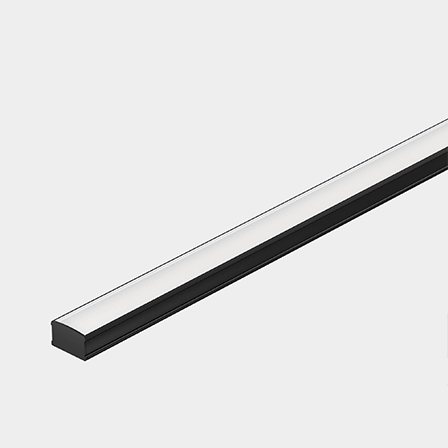
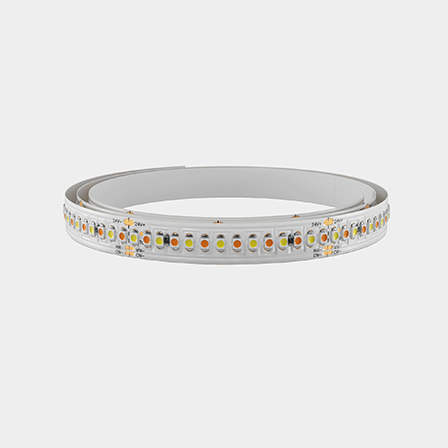
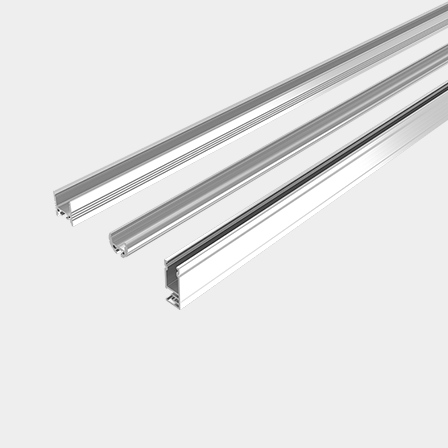
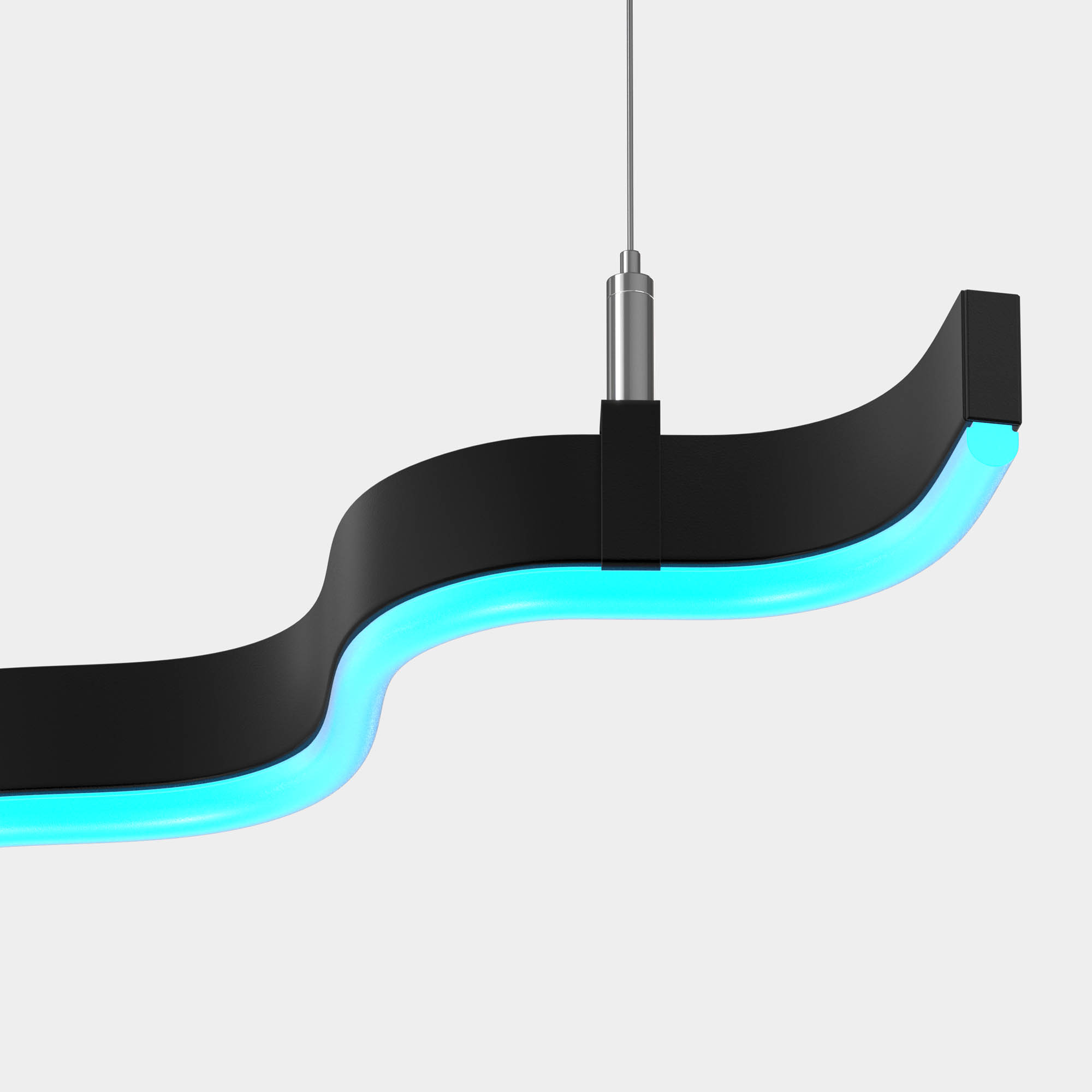
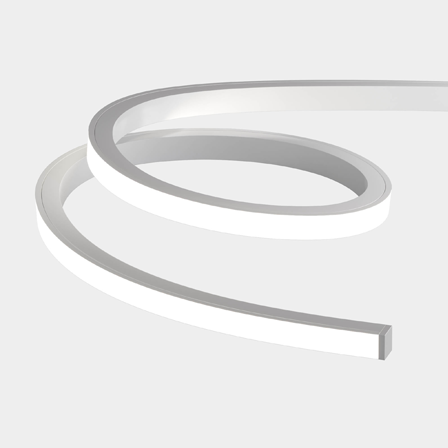
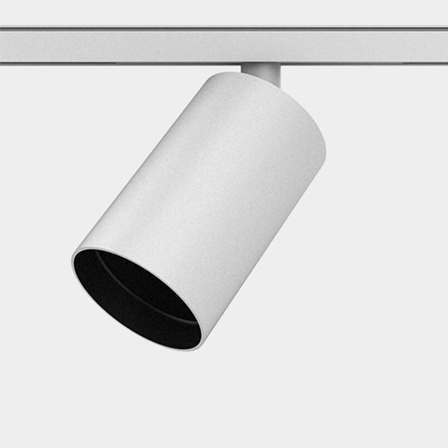
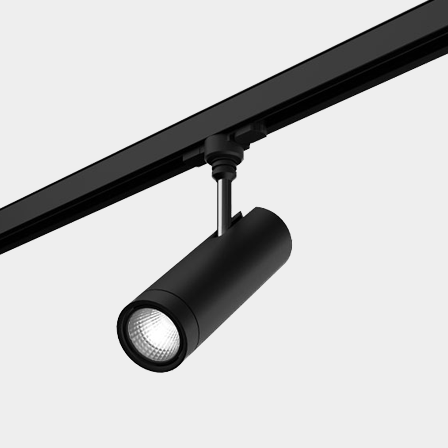
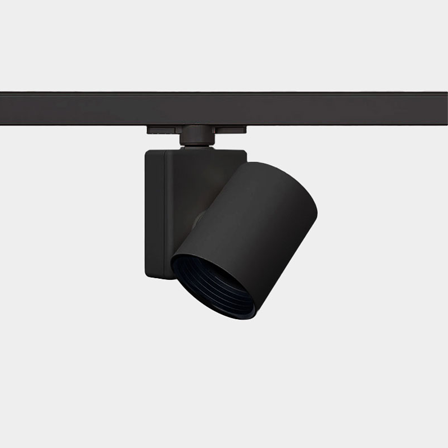
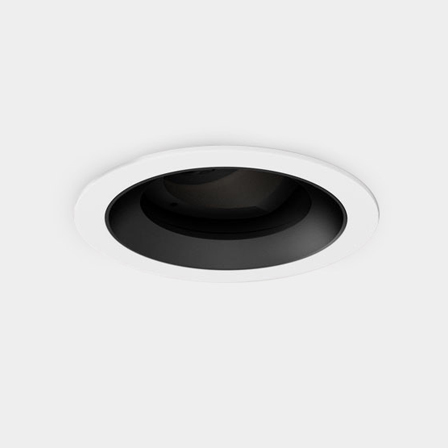
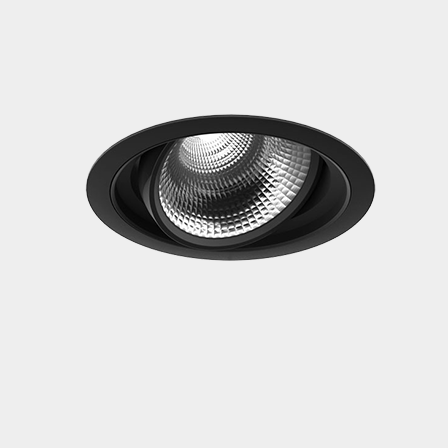
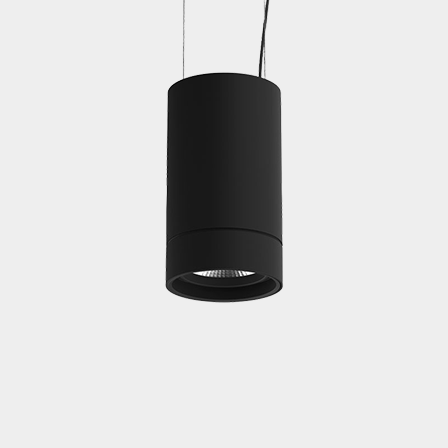
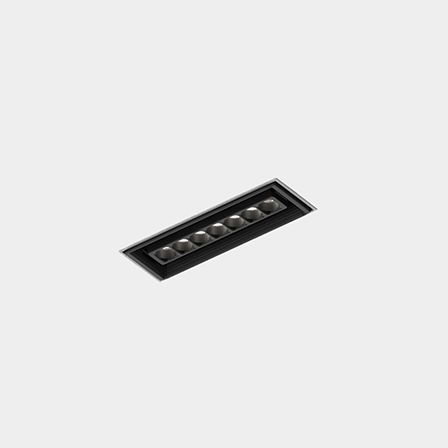
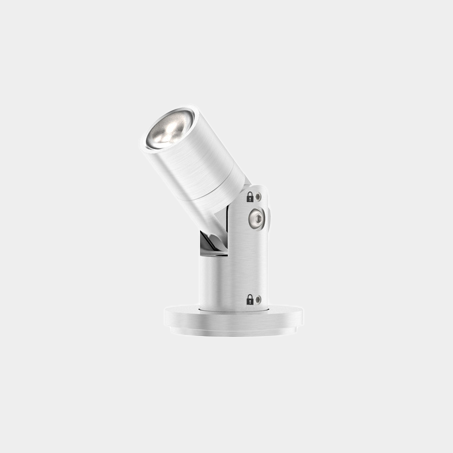
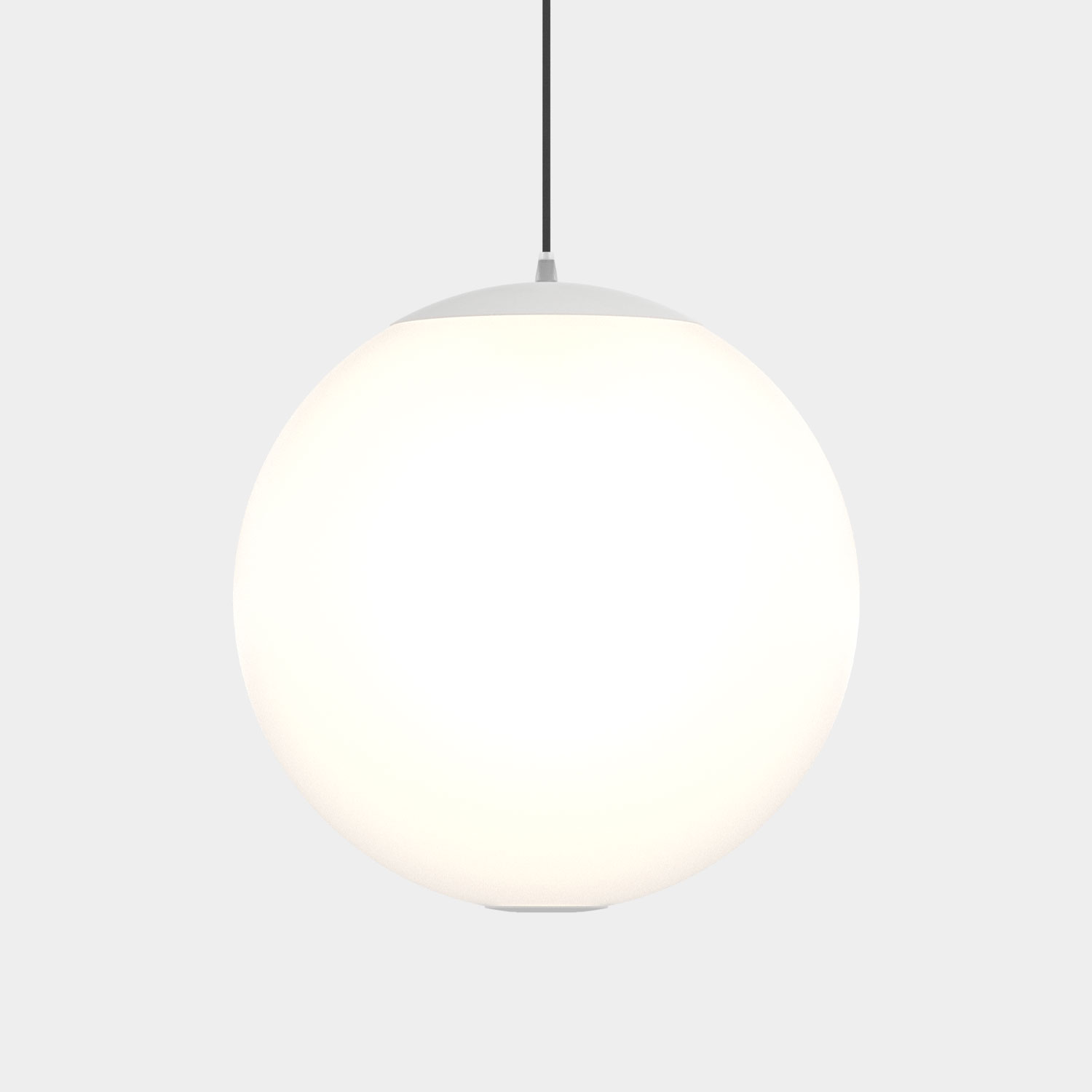
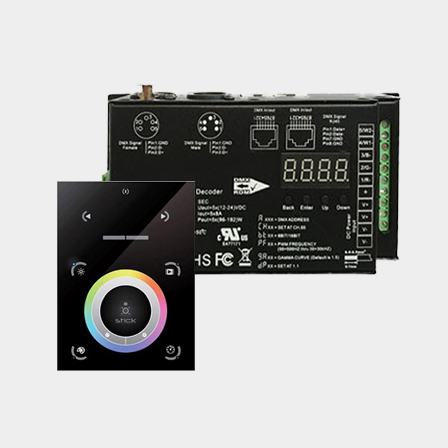
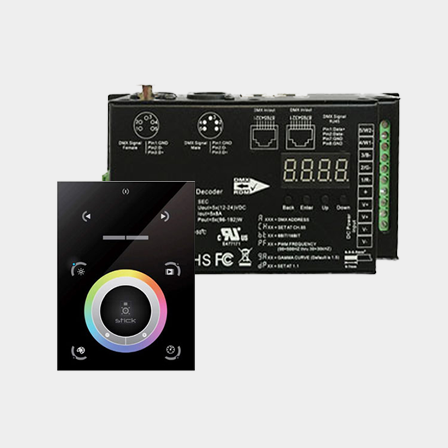
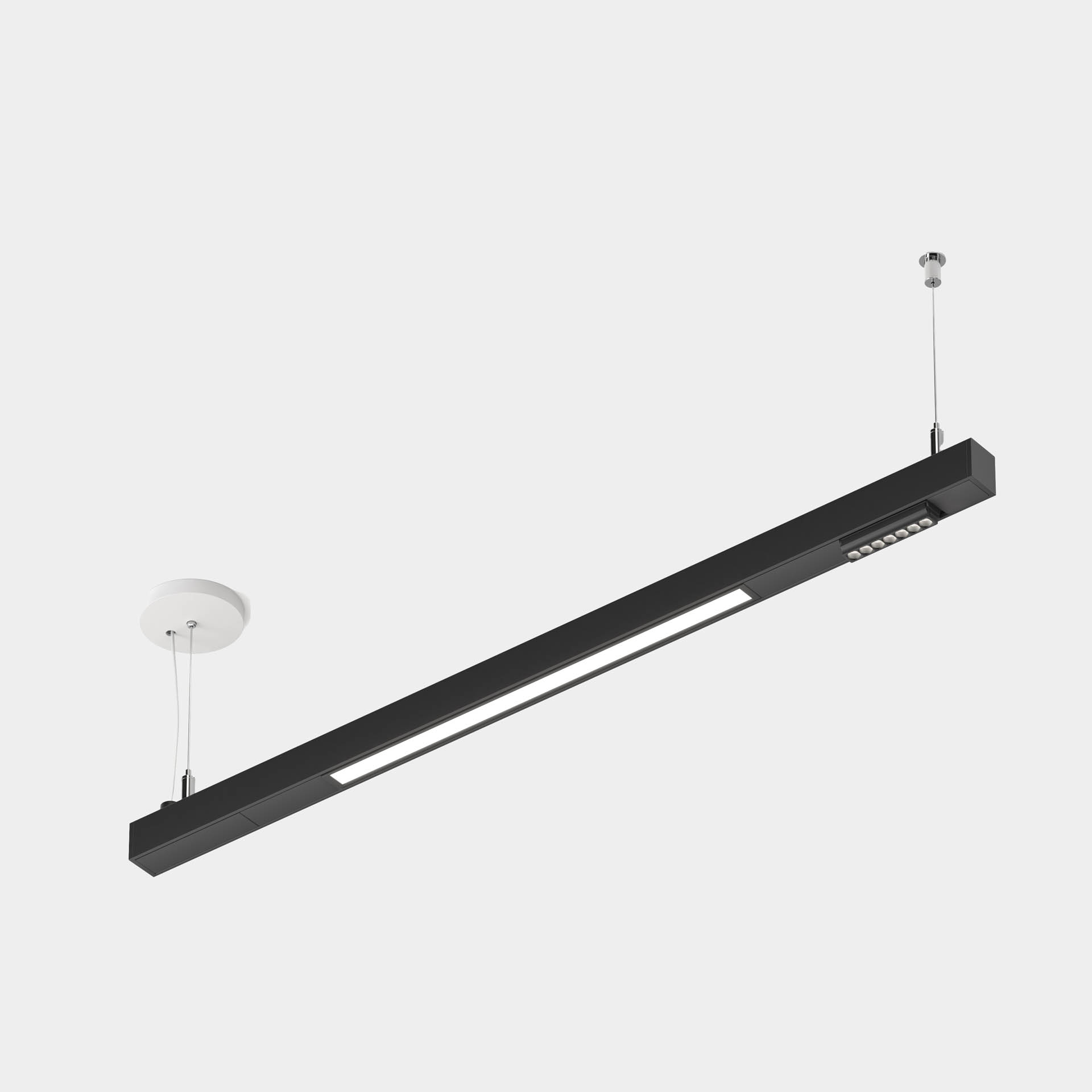


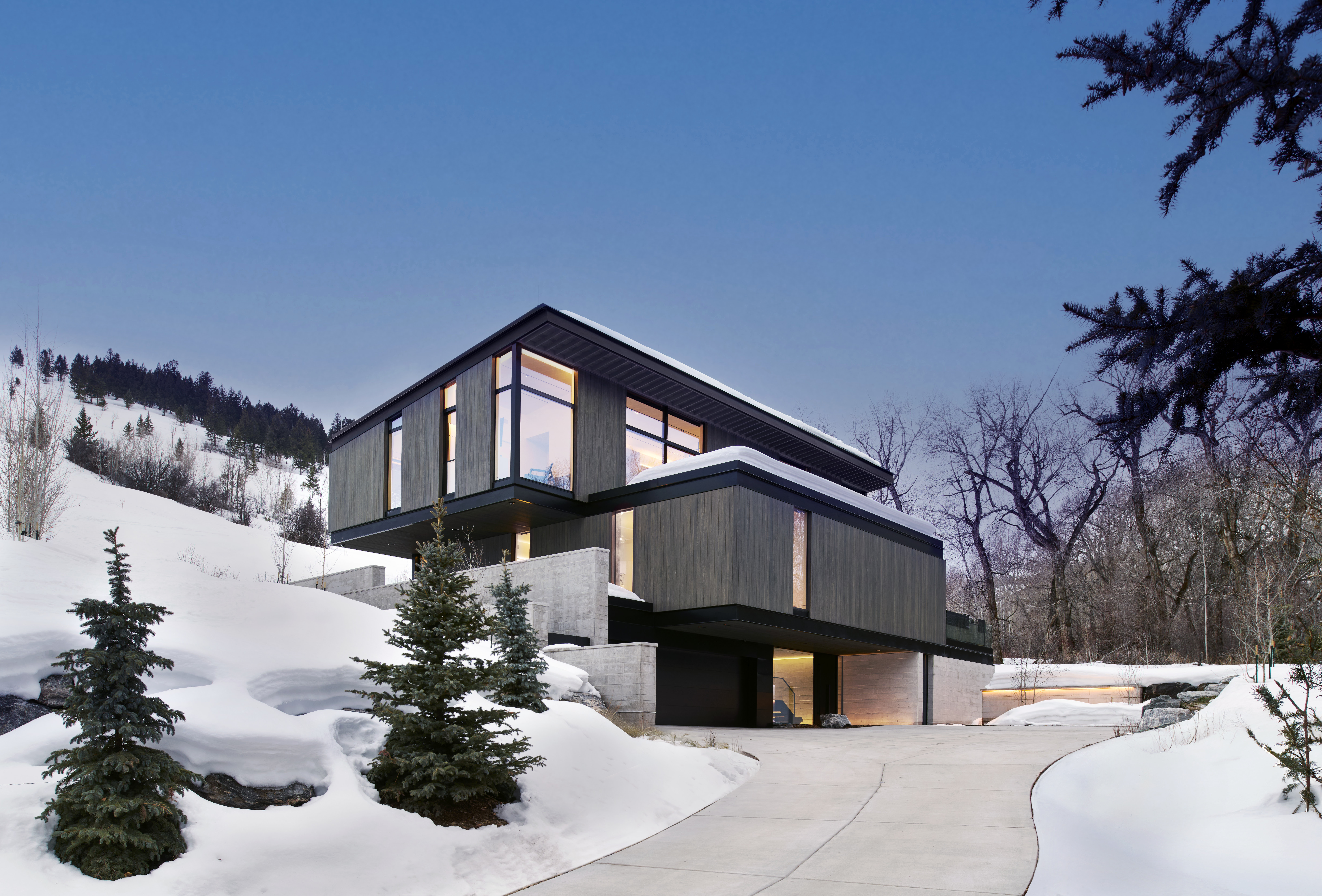
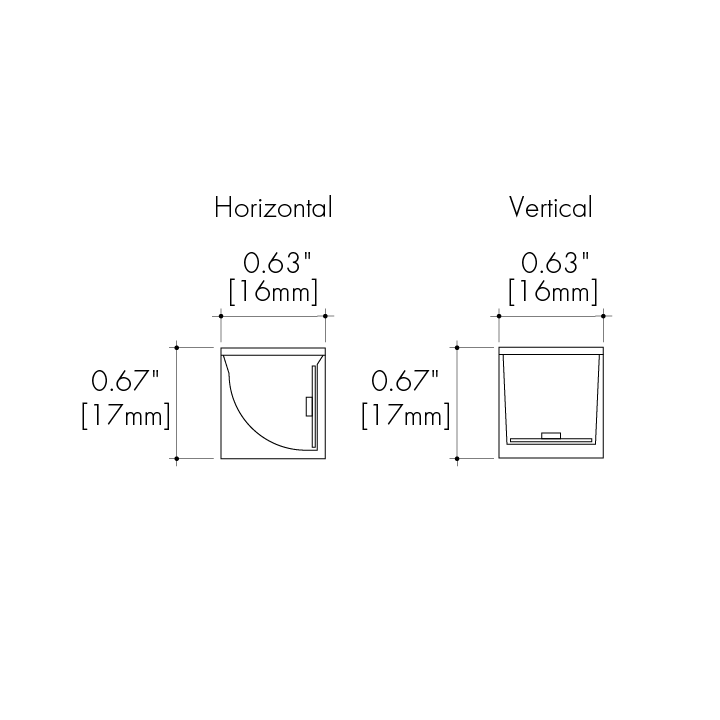
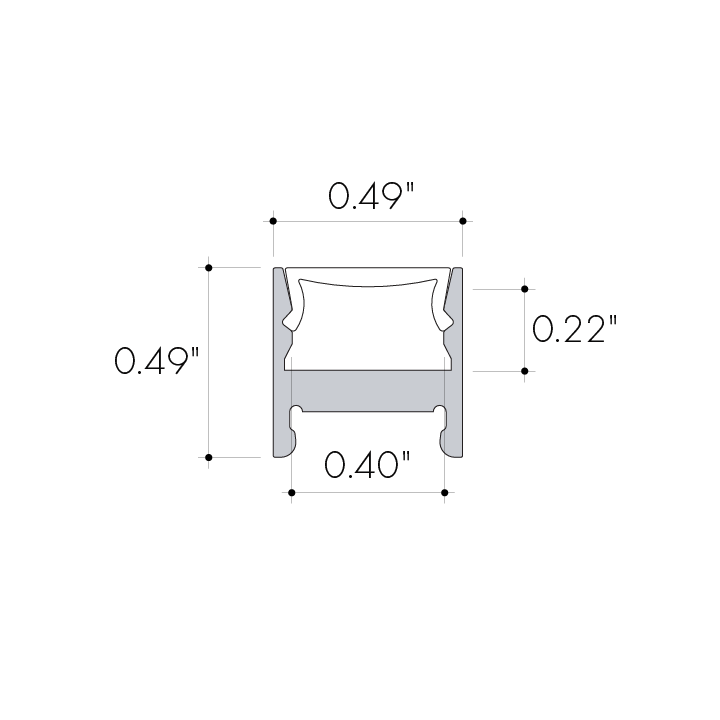
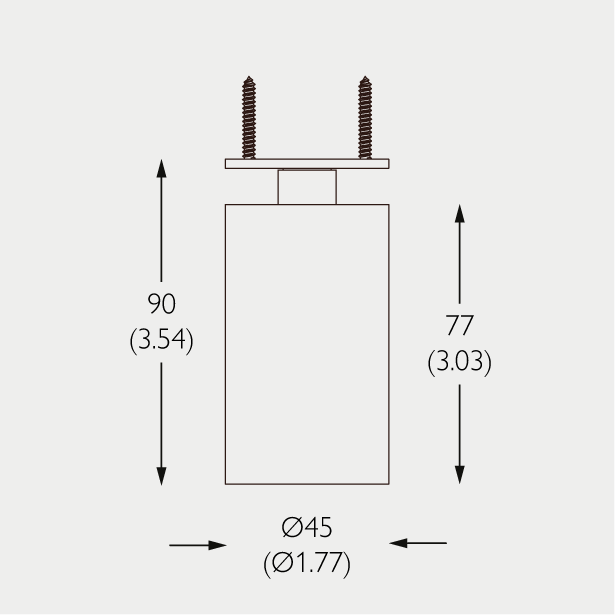
Welcome to the Luminii Live Light Blog, where we explore the creative minds shaping today’s most inspiring illuminated spaces. In this installment, we’re excited to share a behind-the-scenes look at a stunning residential project with Anne Kustner Haser, President and Design Principal of AKLD Lighting Design, Ltd. Join us as Anne reveals her design philosophy, process, and how Luminii’s Stenos, Kendo, Kurba, and Myka ranges helped bring this thoughtfully crafted home to life.
Anne, can you share a little bit about your background and what drew you to lighting design?

I started my career with a BFA and a minor in business. When I first started out as a graphic designer fresh out of school, I found myself working on a number of photoshoots. One thing quickly became clear — lighting made all the difference. The photographers who stood out were the ones who knew how to sculpt with light. They could take something as visually unremarkable as gray industrial machinery and, with the right lighting, turn it into something compelling and full of presence.
Over time, I realized my passion was shifting. While I enjoyed graphic design, it no longer held the same spark for me. I found myself increasingly drawn to interior design, but I knew I wanted to focus on something more specific, something that truly excited me. After a conversation with the head of the interior design department, she encouraged me to explore lighting design. That conversation changed the course of my life.
That was over 35 years ago. And all these years later, my love for lighting design has never faded. I’m just as passionate about it today as I was when I first began.
Before we dive into the lighting, can you give us a quick overview of the home and its architectural style to help set the scene for our audience?
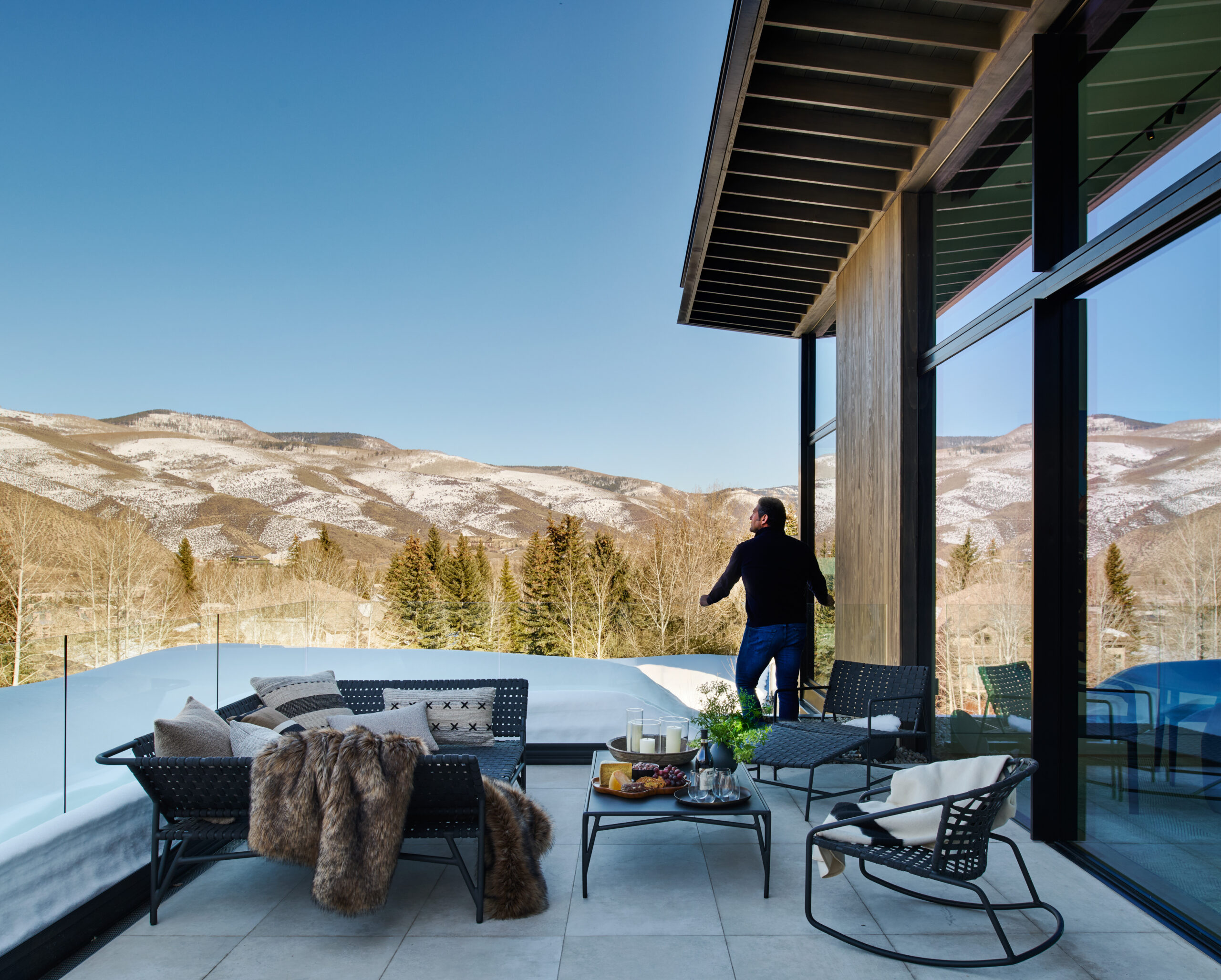
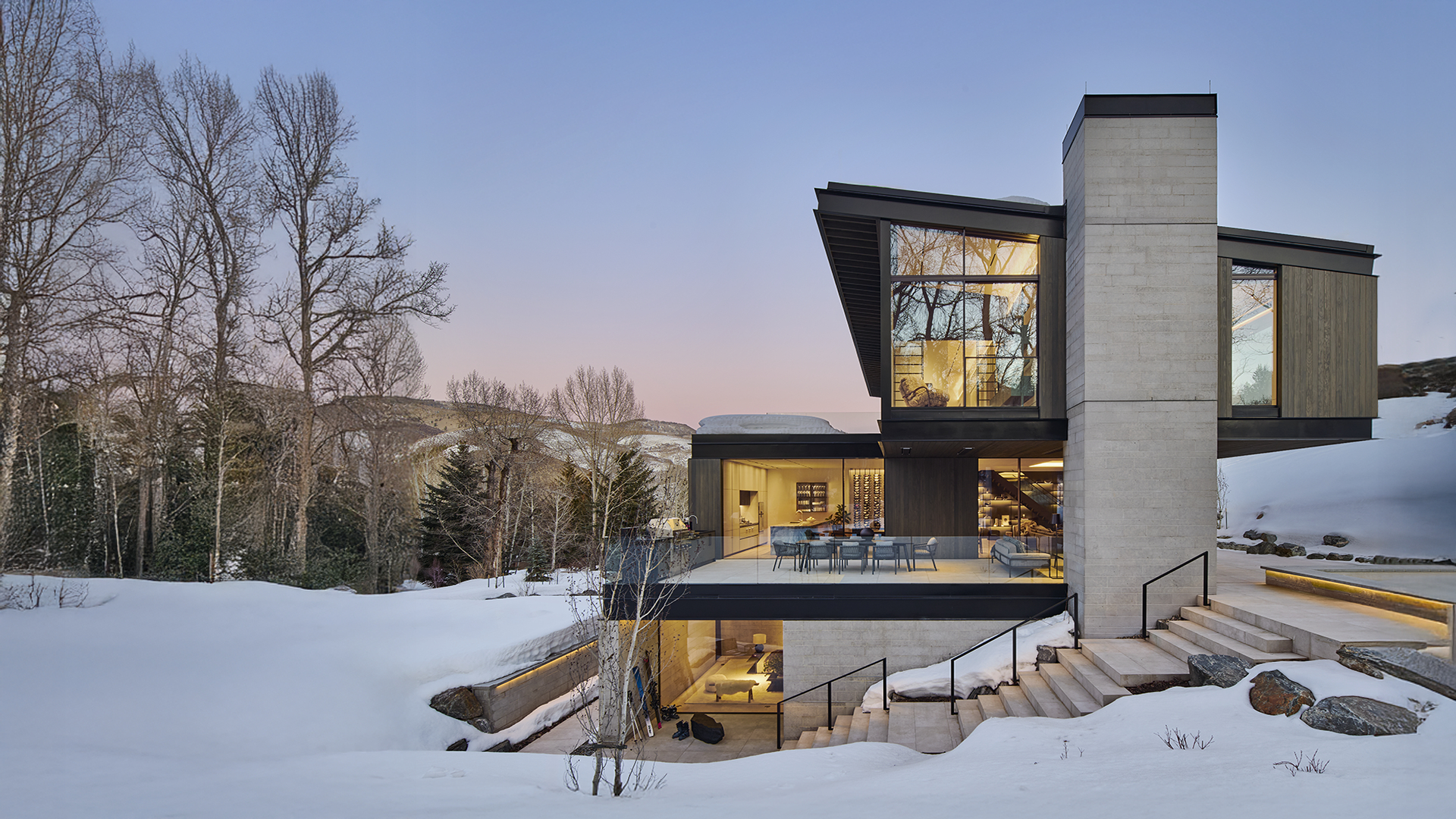
This is a beautifully crafted home nestled at the end of a cul-de-sac and ski run in Beaver Creek. It is a contemporary alpine retreat that merges bold architectural design with natural surroundings. Horizontal planes with expansive glass windows blur the lines between the interior and exterior. The volume of the home creates a striking visual statement that echoes the contour of the terrain and beautifully frames views of the Rocky Mountain peaks.
What were your main objectives or design goals for this lighting project? Were there any specific challenges or opportunities you were excited to tackle?
Architecturally, the design called for clean, minimal, and seemingly effortless lighting solutions—something that always presents an exciting challenge. Throughout the process, we collaborated closely with the architects to bring those possibilities to life. It was a true partnership that allowed us to integrate lighting in ways that felt intentional and seamless.
How did you approach incorporating Luminii’s portfolio of lighting products into your overall concept? What role did they play in shaping the design language?
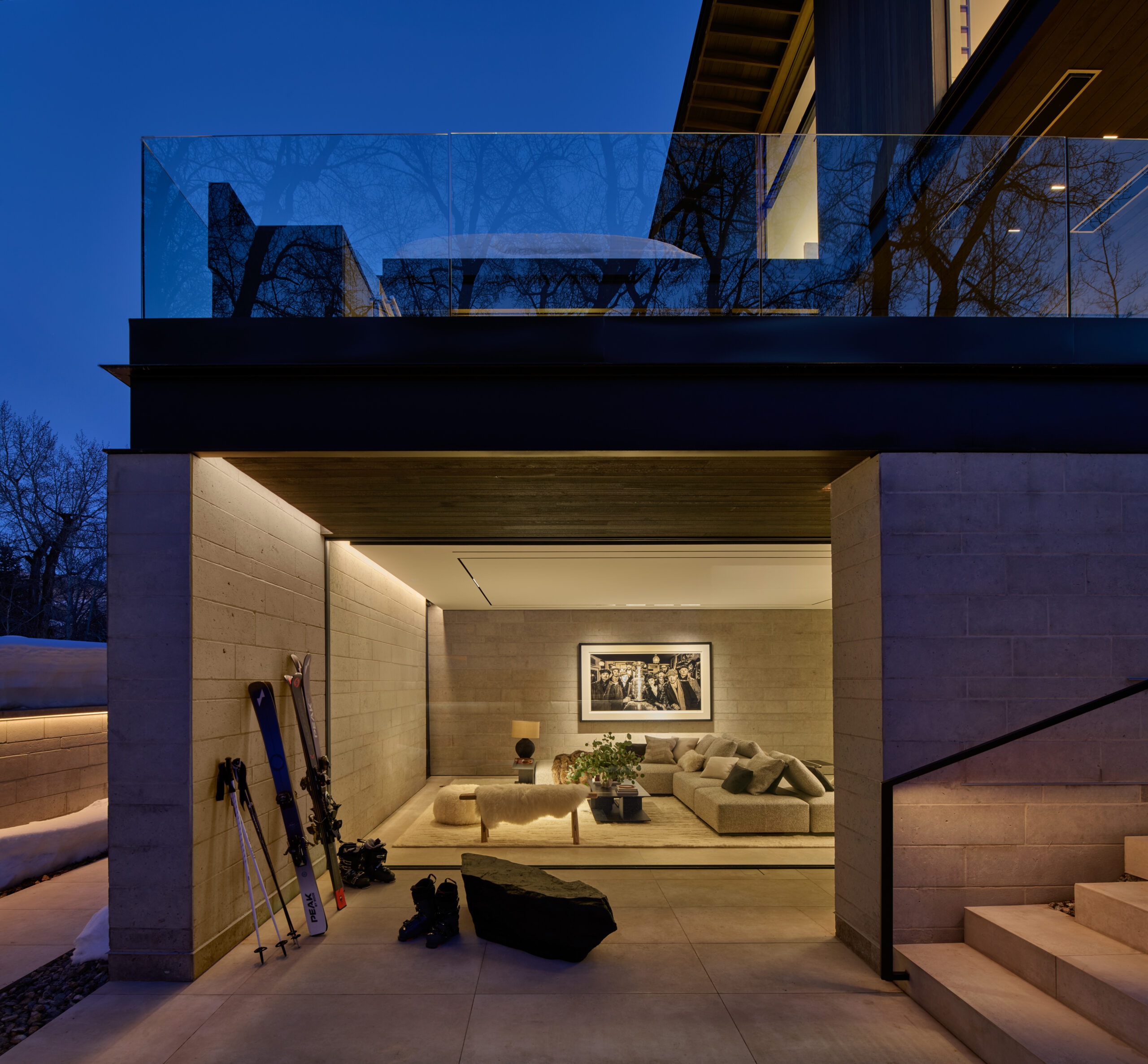
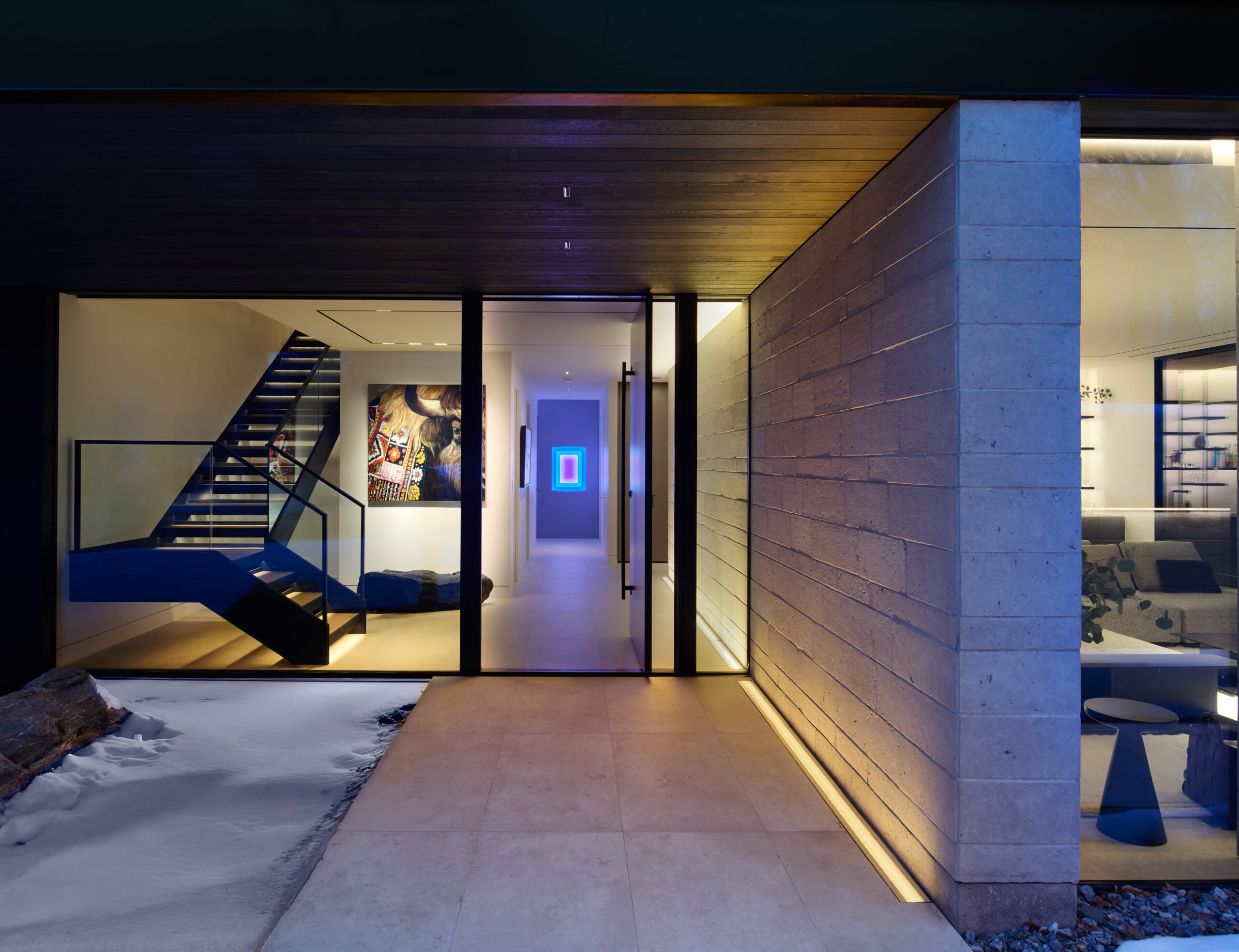
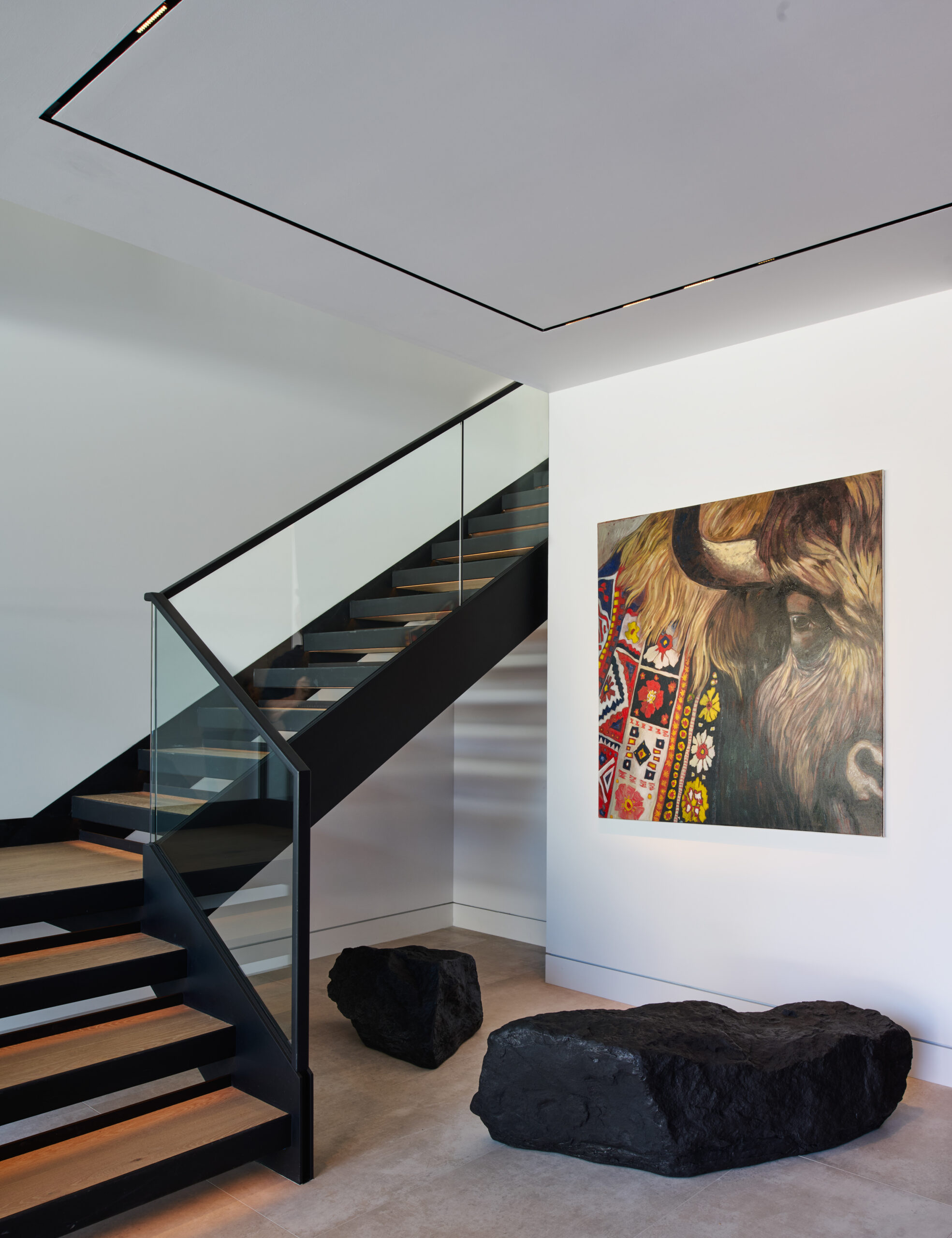
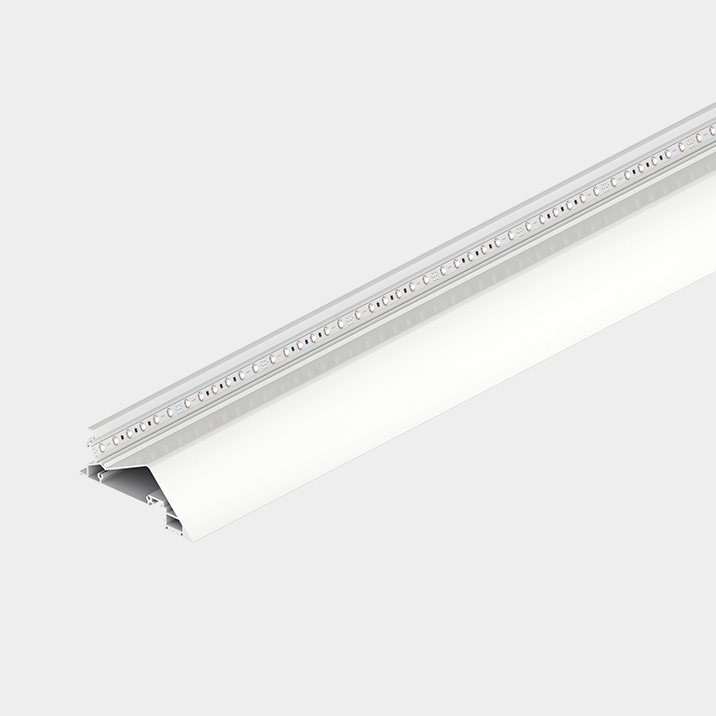
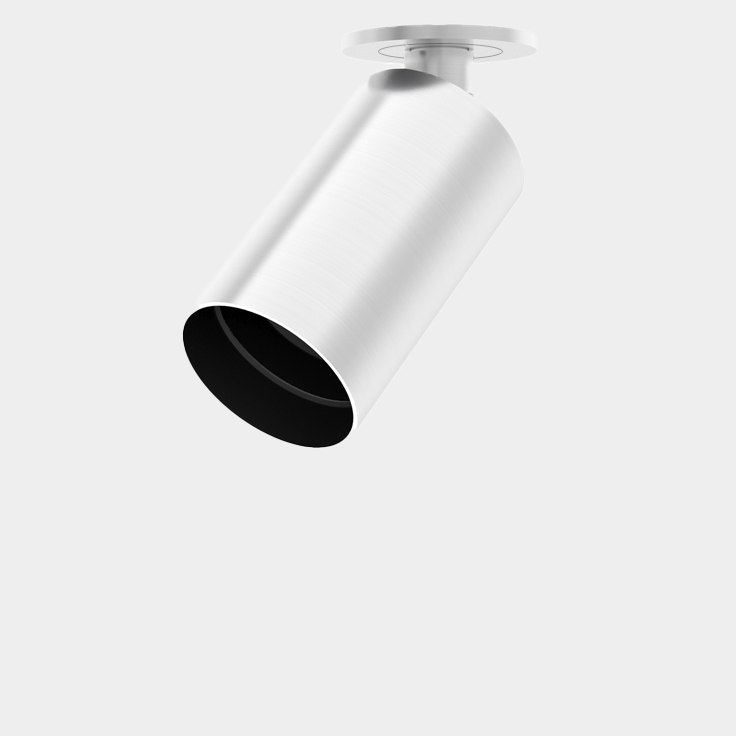
We enjoy designing using the theme of invisible light. We like to architecturally conceal or minimize the architectural lighting as much as possible so that your eye is attracted to what is lit. Using the Luminii Stenos fixture, which had just been introduced, was an exciting new tool to achieve this.
Energy efficiency and sustainability are top-of-mind in many modern homes. How did those considerations factor into your product choices or design approach for this project?
It was clear from the beginning that we wanted compact, minimal fixtures—naturally leading us to choose LEDs. Their energy efficiency and long lifespan not only align with sustainable design goals but also minimize maintenance, which is especially valuable in a vacation home setting.
Designing for someone’s home is deeply personal. When you first meet with a client, what types of questions do you ask, and what guidance do you offer to ensure their vision aligns with both beauty and function?
Every project gives us the chance to design lighting that aligns with our clients’ individual lifestyles and preferences. By learning how they use their space—whether for entertaining, relaxation, or with specific sensitivities in mind—we create solutions that are as functional as they are personal.
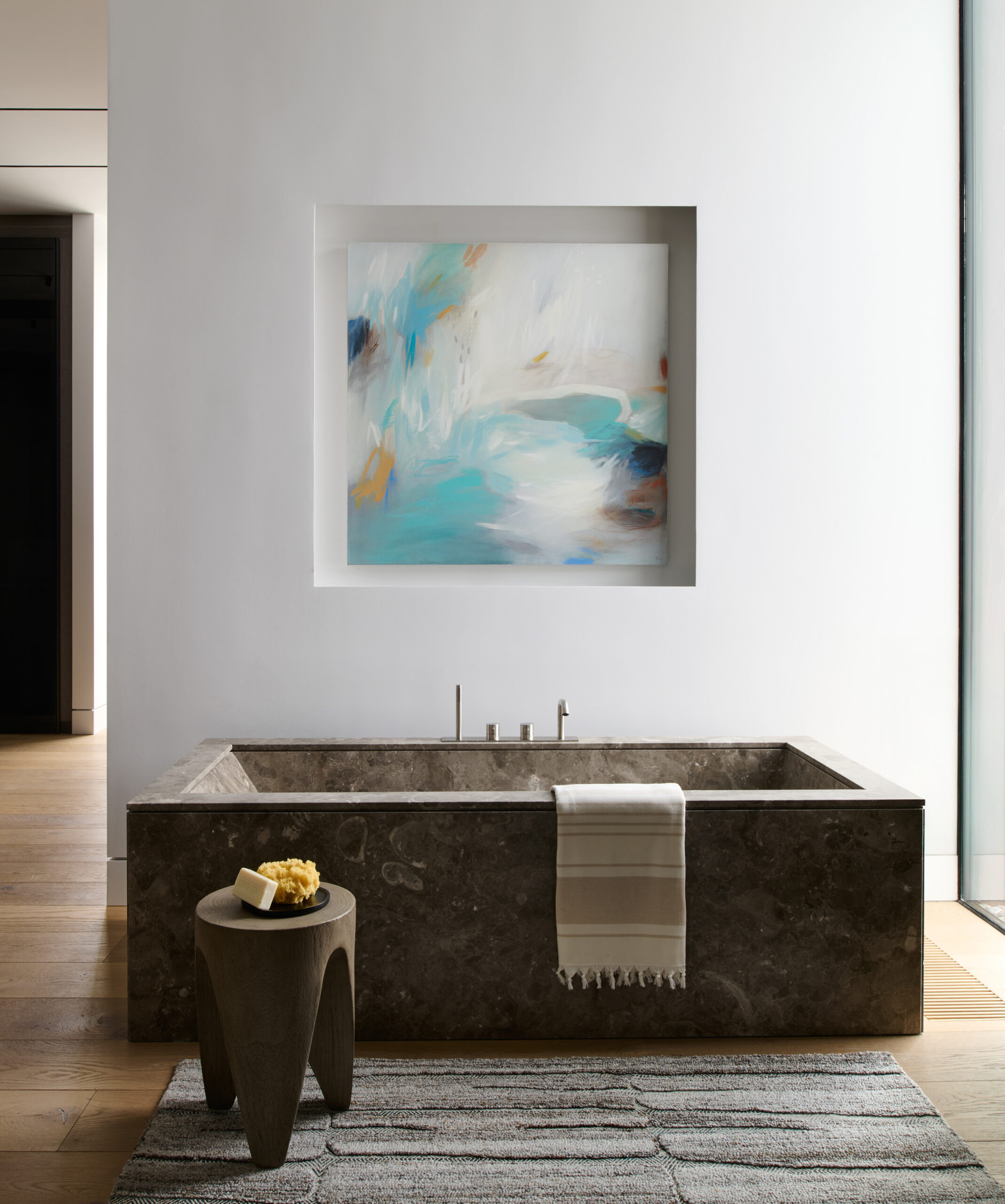
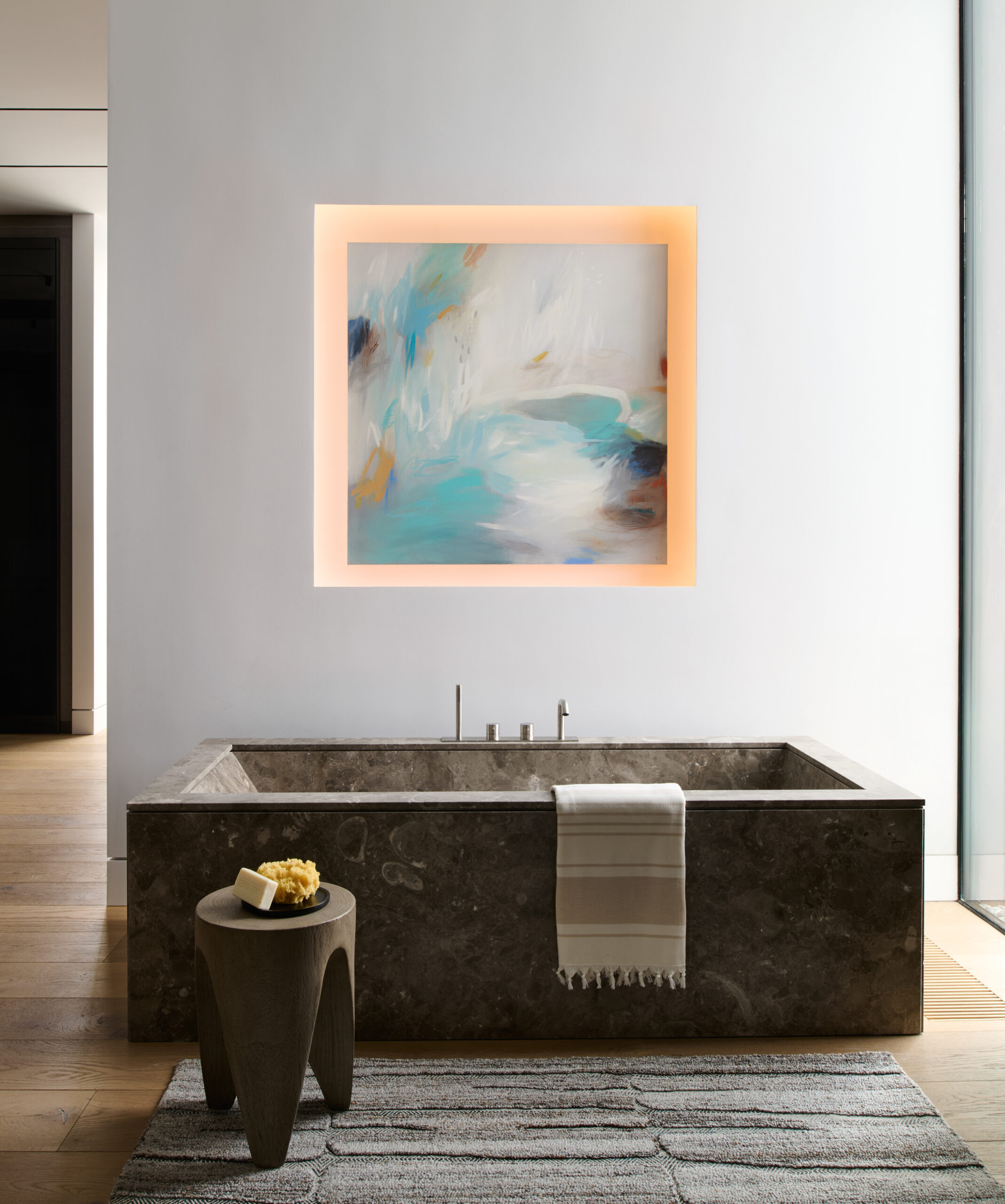
How did the clients respond to the final lighting design? Any memorable feedback or emotional reactions that stood out?
The client was very happy and said that the lighting felt really good and exceeded expectations.
Lighting plays a central role in this home’s atmosphere. When you envisioned the space, how did light shape or influence your initial design direction?
The vision of the space, architecturally and interior casework, drove the design. The lighting followed along the same vibe.
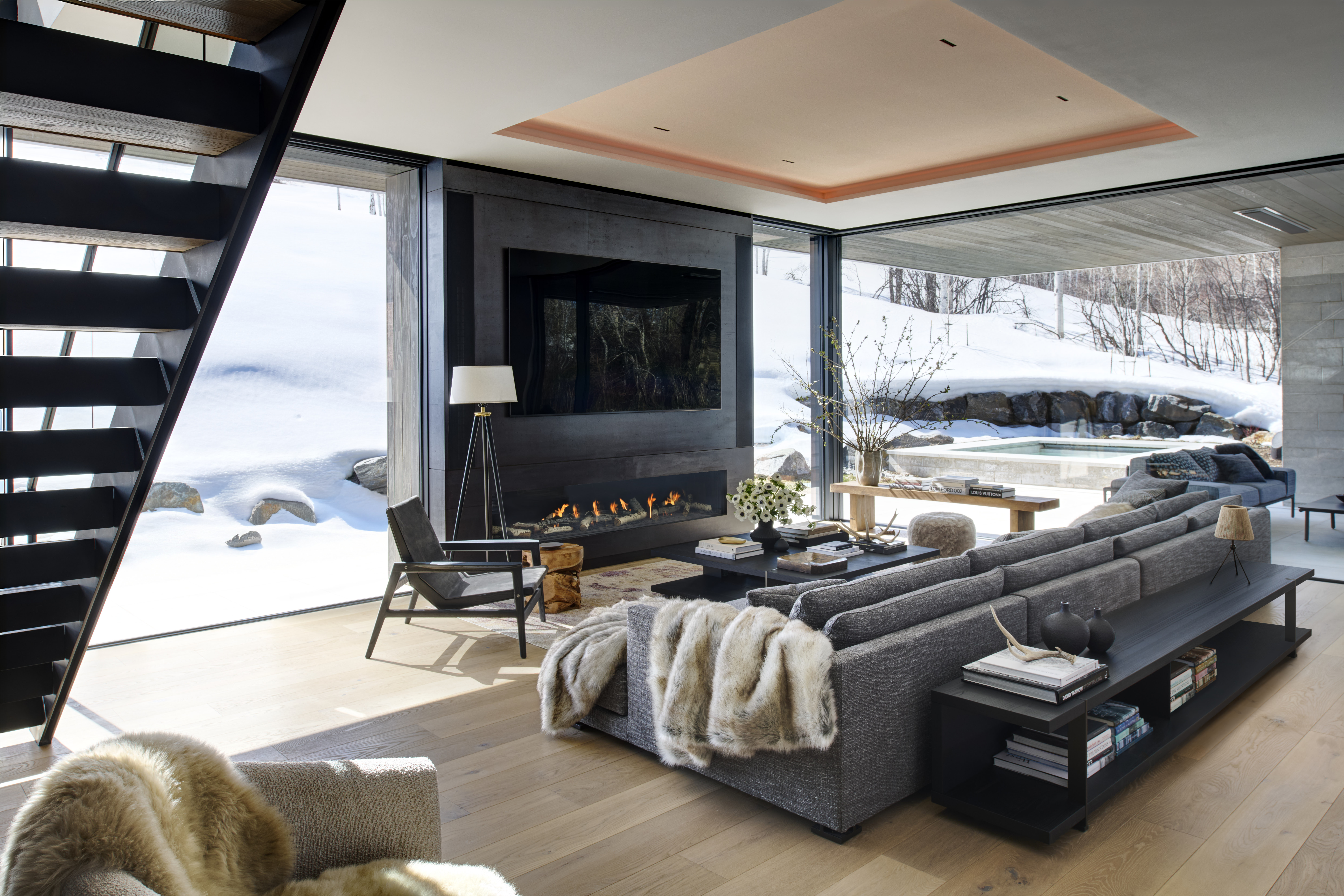
Each space in this home has its own unique lighting feel — almost like a custom experience room by room. What techniques or strategies did you lean on to make each moment distinct?
If the design for each space is distinct, then we design for that look and feel. Most often, though, we like to weave the vocabulary of the lighting into the project as a whole to look more cohesive and not to draw attention to the lighting itself.
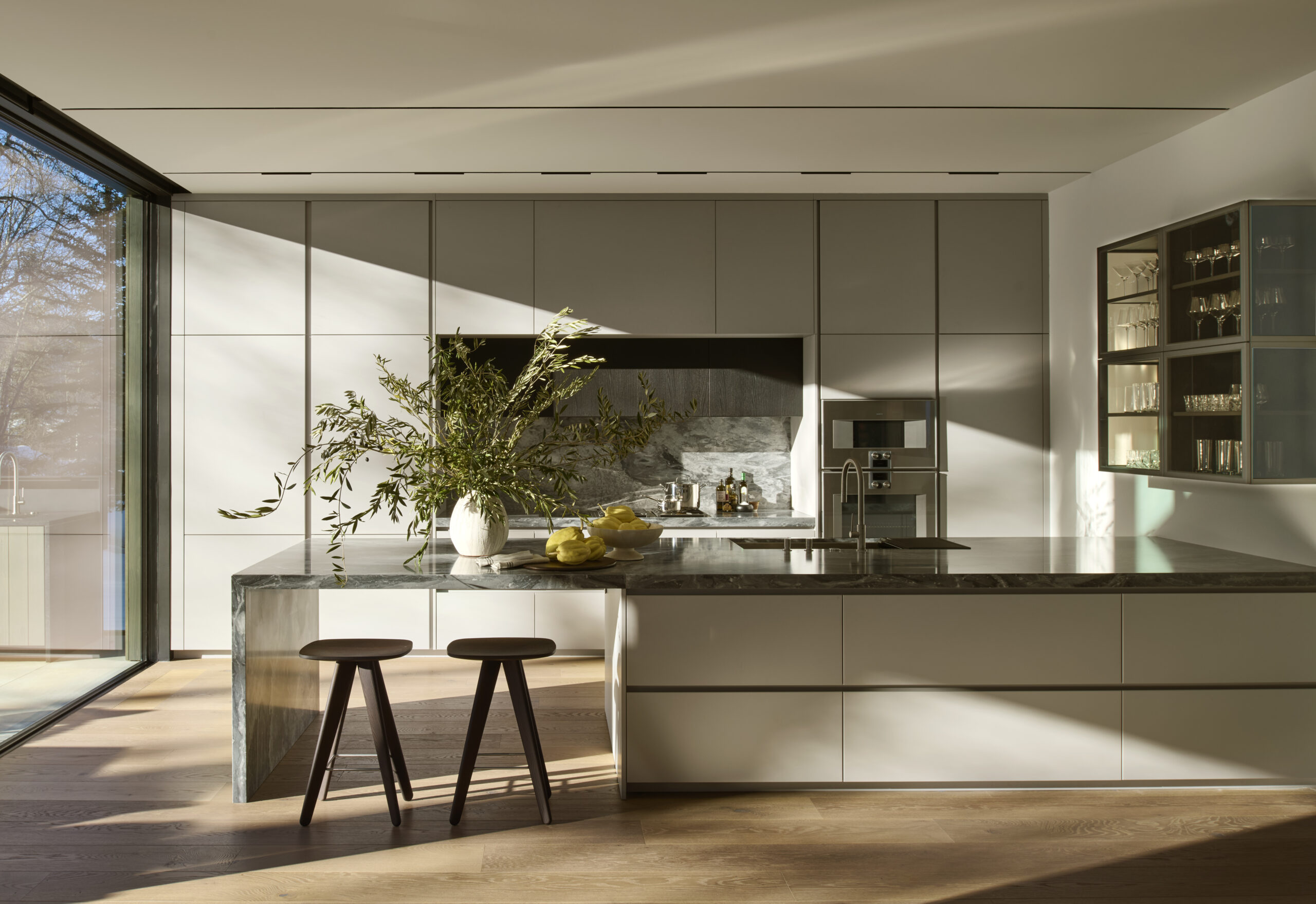
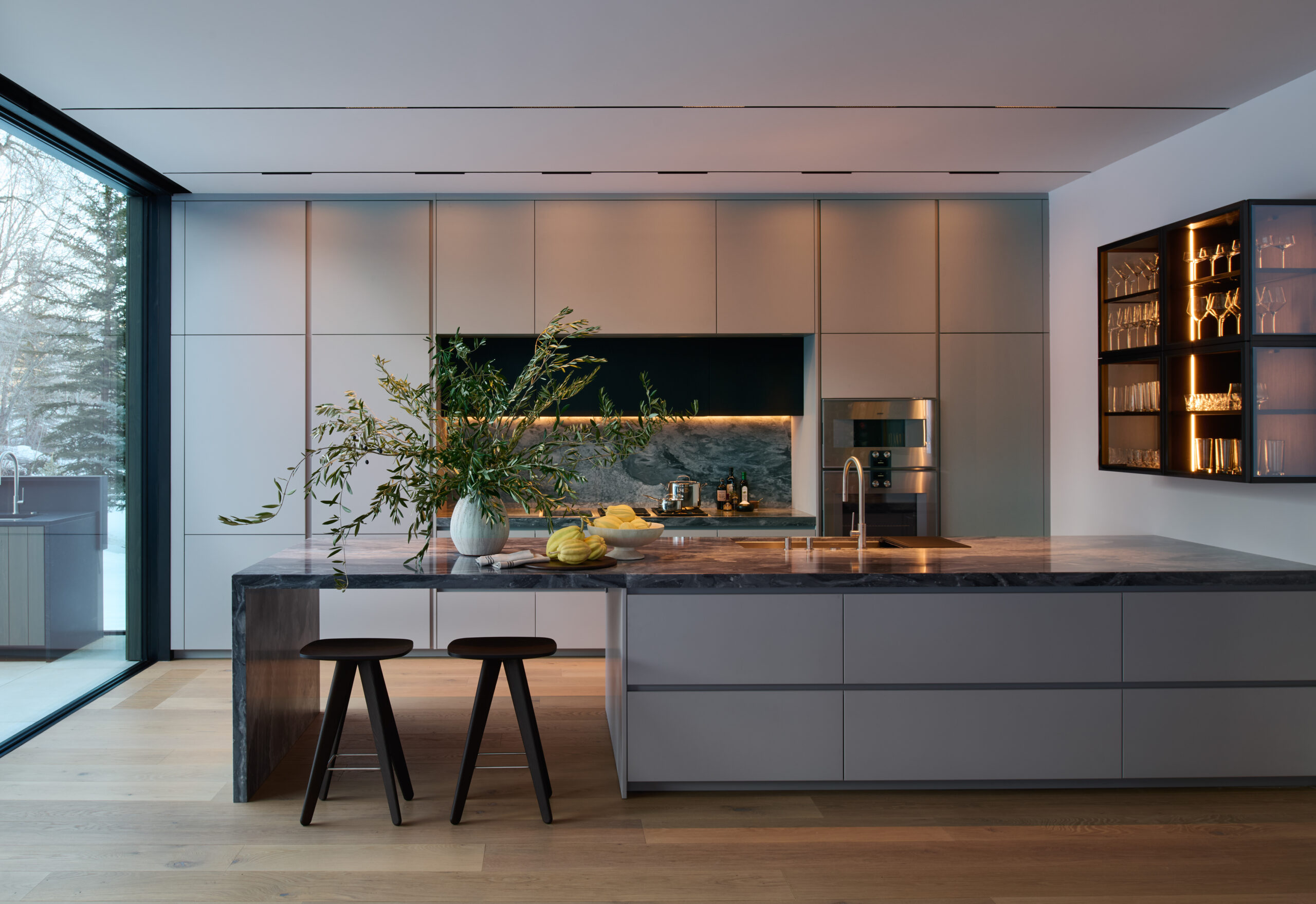
At what point in the design process were you brought in? Was lighting considered from the start, or did it evolve later on? How did that timing affect your approach?
Thank goodness we were brought on early! With some architects and designers, it’s an afterthought. That is more important for a contemporary home than other genres, so that we can tuck lighting in and modify the architecture for a more successful result.
Lighting intersects with architecture, interior design, and how people emotionally experience a space. How do you balance all these layers to create a cohesive environment?
The initial architectural and interior design sets the tone and personality of the space. We use lighting to either enhance or subtly temper that mood. Often, our goal is to keep the lighting visually discreet, creating a subliminal effect that supports the design without drawing attention to itself. One of our clients once said, “I knew how the space was going to look, but I didn’t realize how it was going to feel!”.
Luminii’s solutions are integrated throughout this home. What initially attracted you to the brand, and how did Luminii help you achieve your overall design goals?
We have used Luminii from the very beginning. The color quality of their LEDs has been consistently good, and we appreciate their extrusions, optics, and baffling.
Luminii is known for its precision and flexibility. Were there any spaces or details in this home where Luminii’s customization capabilities helped you push the envelope?
(For example, was there a tricky ceiling detail, color temperature request, or millwork integration?)
This was our first project using remote drivers across nearly all Stenos fixtures, which really pushed us to think creatively about integration. While it required close coordination and thoughtful planning, the end result was incredibly rewarding. Luminii’s customization capabilities gave us the flexibility to navigate complex ceiling and architectural details without compromising the design intent.
Looking ahead, we’re even exploring the opportunity to retrofit some of the built-in LEDs originally provided by the custom woodworkers with Luminii solutions.
For emerging lighting designers out there, what’s one piece of advice you’d share when approaching a complex residential project like this?
Gain a clear understanding of the project’s style, mindset, and intent—whether rooted in tradition or driven by contemporary design. Approach the process by beginning with the ambient lighting layer, often guided by the interior designer’s look and feel. From there, assess the functional (task) lighting requirements, and finally, identify opportunities for impactful accent lighting.
Last question — what’s the first word that comes to mind when you think of Luminii, and why?
Quality. I’ve used it from the start and still depend on it today.
Thank you for your time, Anne, it’s been incredible and congratulations on another beautiful project from AKLD Lighting Design.
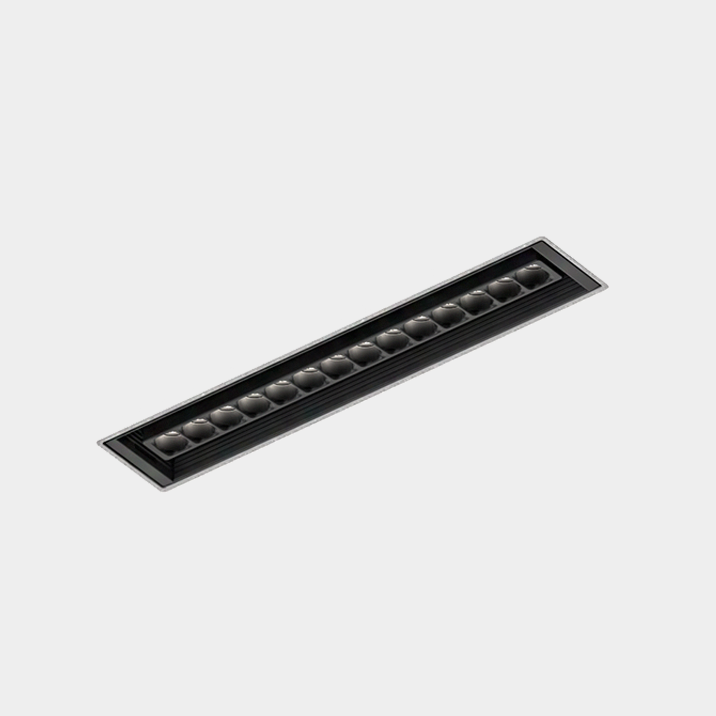
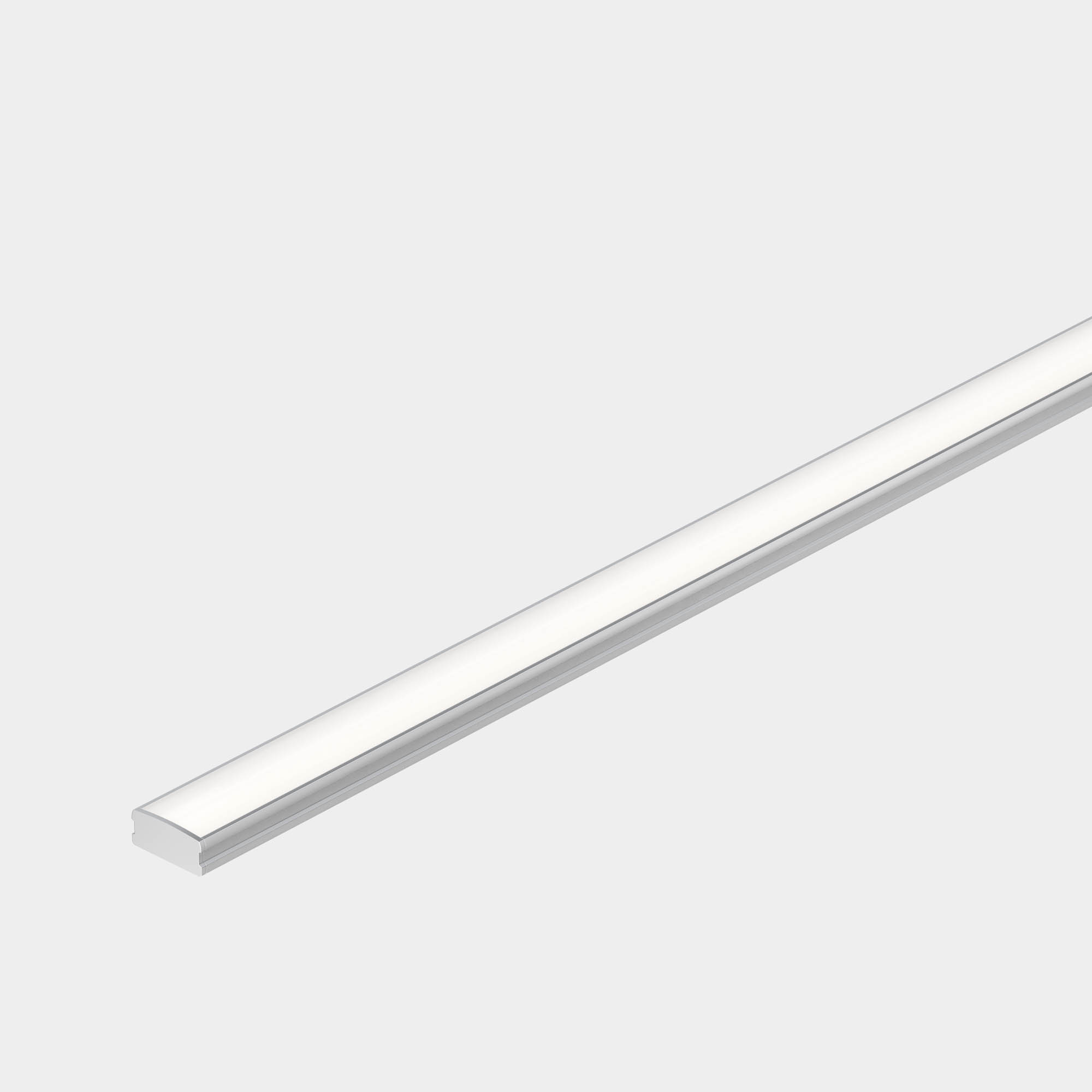



Field Bendable 24V System
100-346 lm/ft, 1.8-6.7 W/ft
328-1134.9 lm/m, 5.9-22 W/ft
 Back to top